
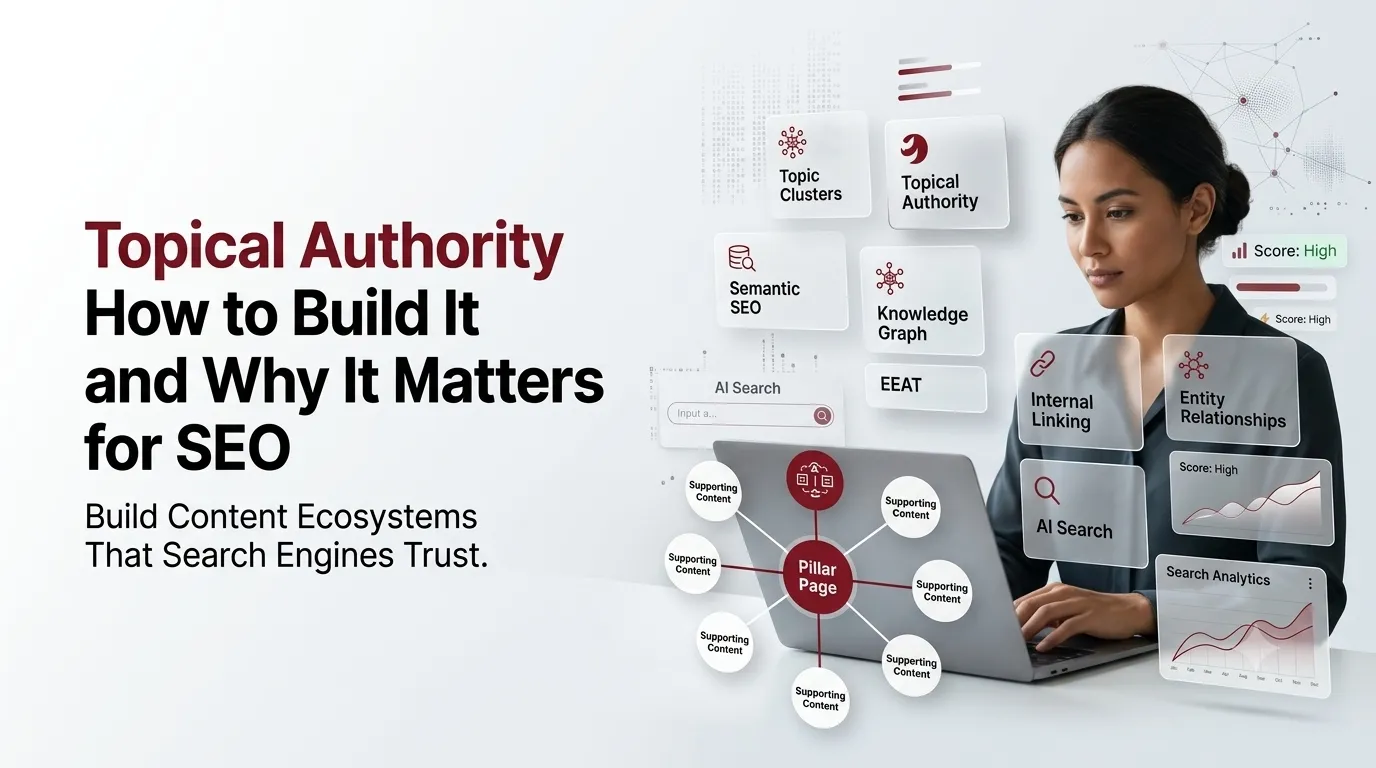
A practical guide to building topical authority for stronger, more durable organic rankings, the same principle behind the keyword cluster strategy in this case study.
How One Product Category Outperformed a Competitor's Entire Website
Date: 07 - 30 - 2026
Time to read: 10 minutes
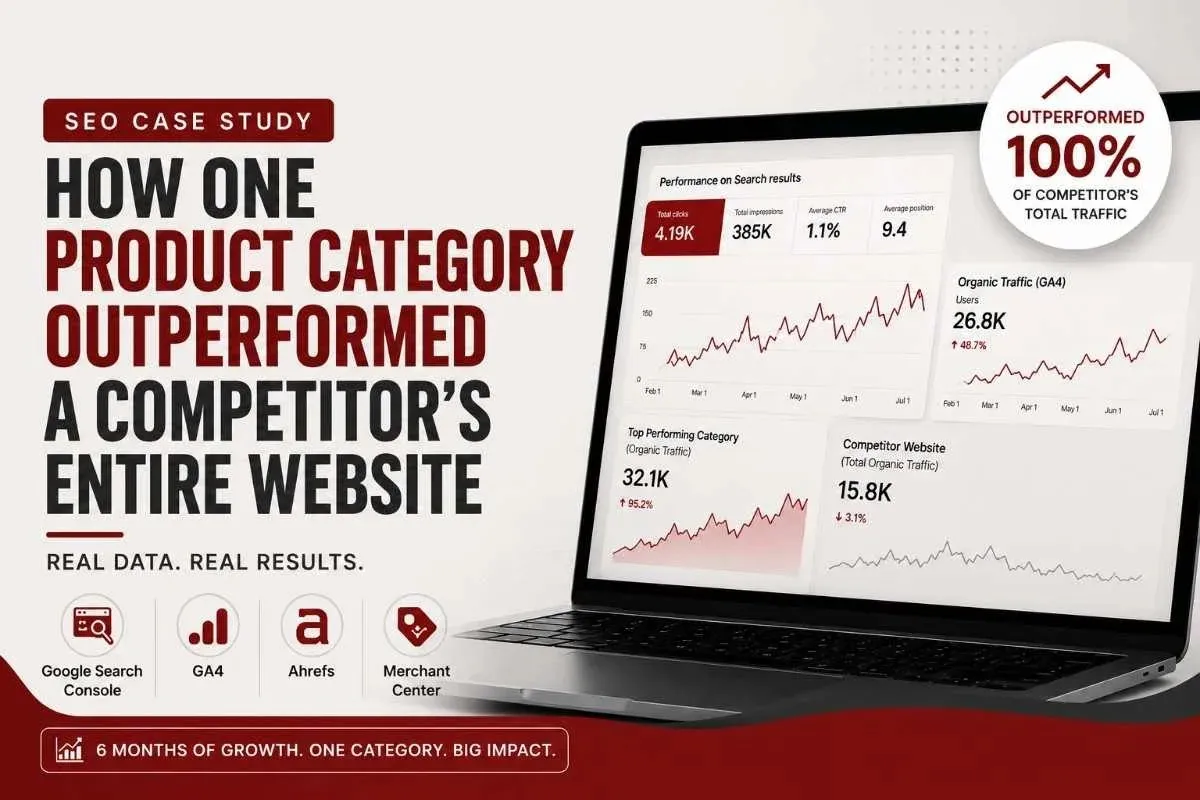
Every figure in this post comes directly from the client's own Google Search Console, GA4, Ahrefs, and Google Merchant Center accounts. The client's name, domain, and both competitor names are anonymized under our confidentiality agreement. The screenshots throughout are the client's real, unedited data, with only identifying names and URLs blacked out.
In six months, one product category on our client's e-commerce site grew from fewer than 20 top three keyword rankings to 123. That single category now generates more estimated monthly organic traffic than one competitor's entire website, every page combined. The method was simple to describe and hard to execute: rank the whole cluster of keyword variants around one core topic, not just the main term.
[ Table of
Content ]
The business problem before SEO
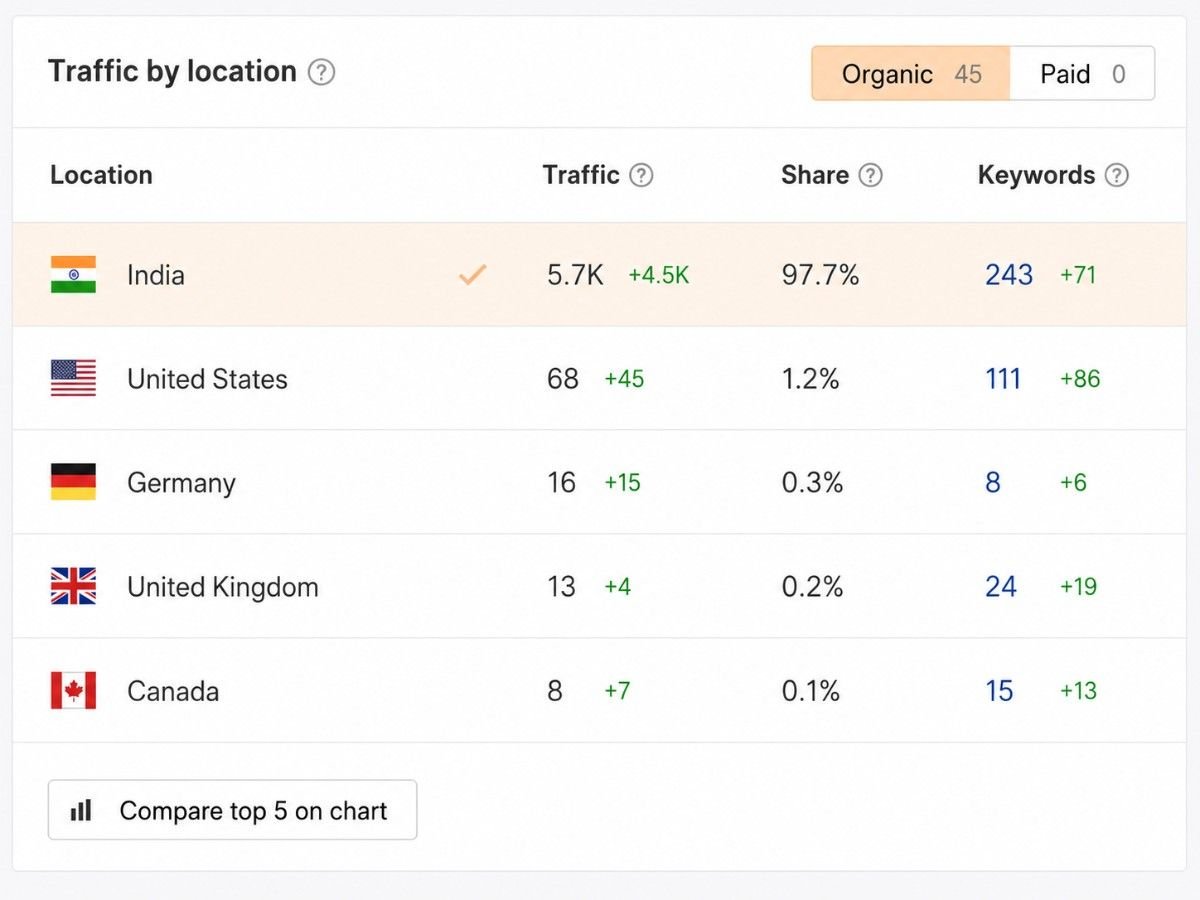
Our client is a direct-to-consumer e-commerce brand in a competitive party products and accessories niche in India. They compete against several established sellers, including one with a noticeably larger backlink profile and longer site history.
Six months before this engagement, the brand's main product category was split across a handful of thin, disconnected pages. None of them ranked in the top 10 for the search terms that actually lead to a purchase. Most traffic came from paid ads and direct visits. Organic search was barely contributing.
That gap between "has a website" and "owns a category in search" is where this case study starts.
What a keyword cluster strategy actually means
A keyword cluster is a group of search terms that share one central topic and one core buying intent. A keyword cluster strategy means building content to cover every meaningful variant in that group, not just the single highest-volume term.
For example, a brand selling one type of party product does not just target "buy party product online." Real buyers also search by material, by style, by comparison ("X vs. Y"), by use case, and by question ("how to choose a party product"). Each of those is a separate keyword, but they all belong to the same topic and the same buyer.
Ranking for one keyword in that group is a small win. Ranking for most of them, on interlinked pages that clearly belong to one category, is what search engines read as topical authority. Explore our SEO services to see how we apply this approach for other clients.
Suggested article:Topical Authority SEO: How to Build It and Why It Matters
The strategy we used
We approached the category as one connected system instead of a set of separate pages. In practice, that meant:
- Mapping the full commercial, comparison, and informational keyword variants around the category's core topic.
- Building a strong central collection page as the commercial hub for the category.
- Supporting that hub with comparison guides, buying guides, and product-specific pages that each targeted a distinct variant.
- Interlinking every page in the cluster so search engines could see the relationship between them.
- Avoiding a reliance on branded search. The goal was to win category demand from people who did not already know the brand.
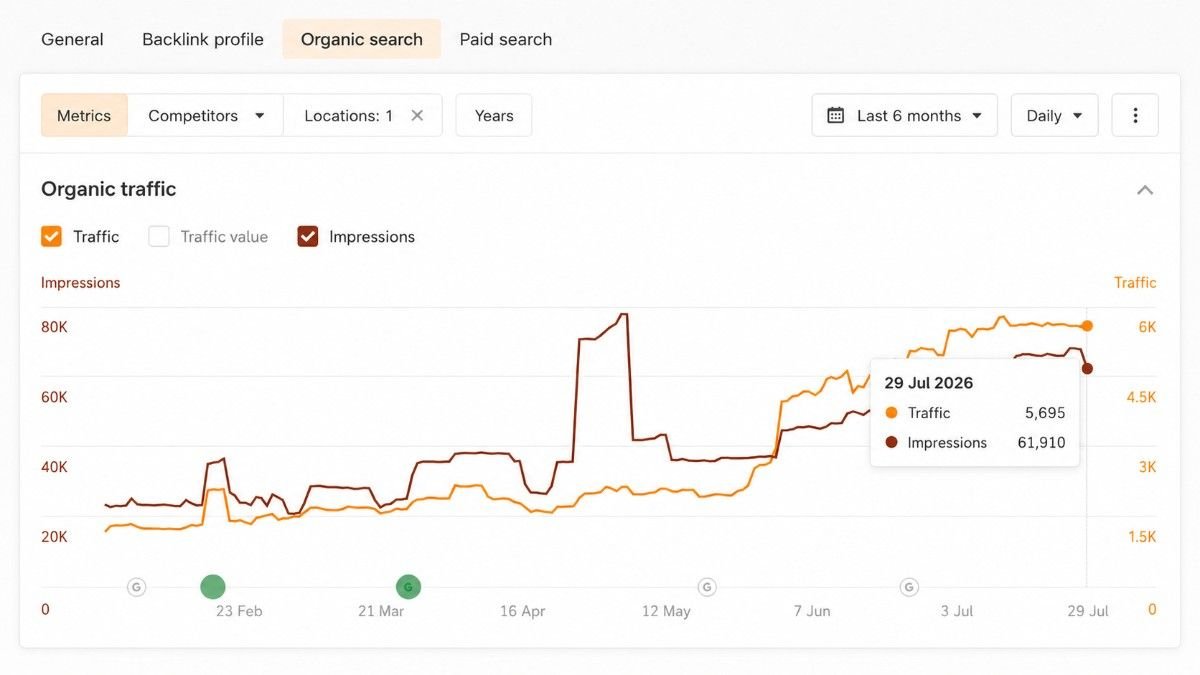
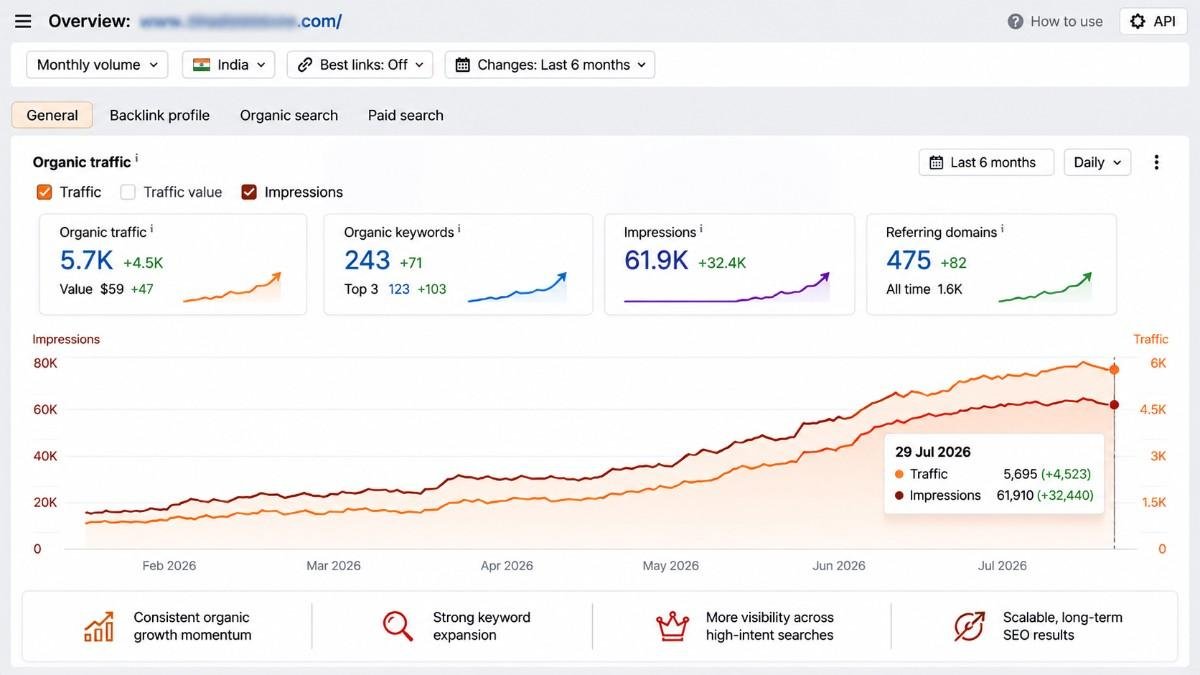
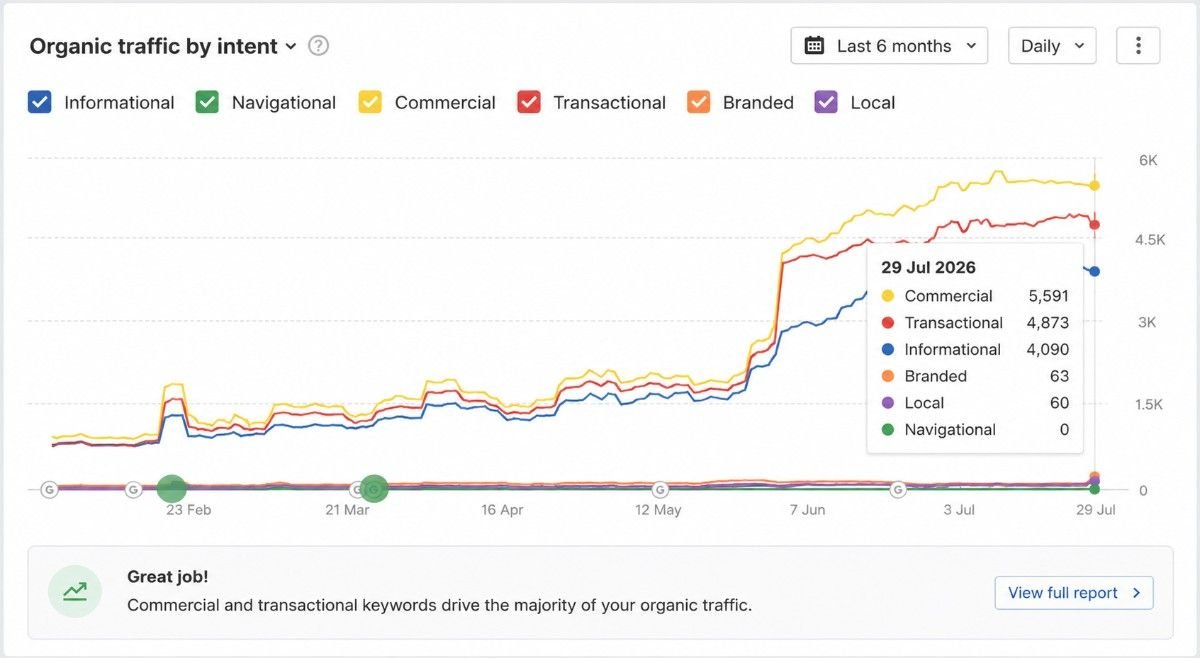
That last point matters more than it sounds. It is the difference between growth that depends on existing brand awareness and growth that creates it. The chart below shows organic traffic and impressions climbing together over the six months this strategy was in place.
Results: keyword rankings and coverage
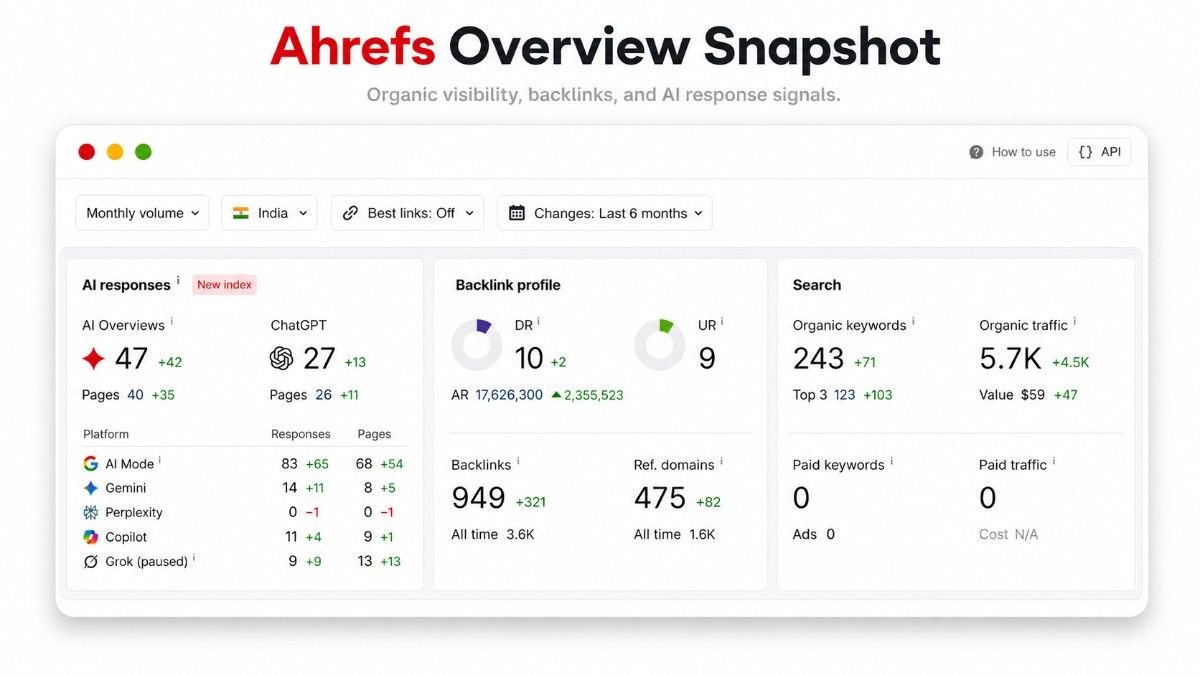
The client's website grew from roughly 170 ranking keywords to 243 in six months.
The more telling number sits one level deeper. Top three rankings grew from about 20 to 123 in the same period. That is not a small ranking improvement. It is a category moving from occasionally visible to consistently dominant for the terms that matter.
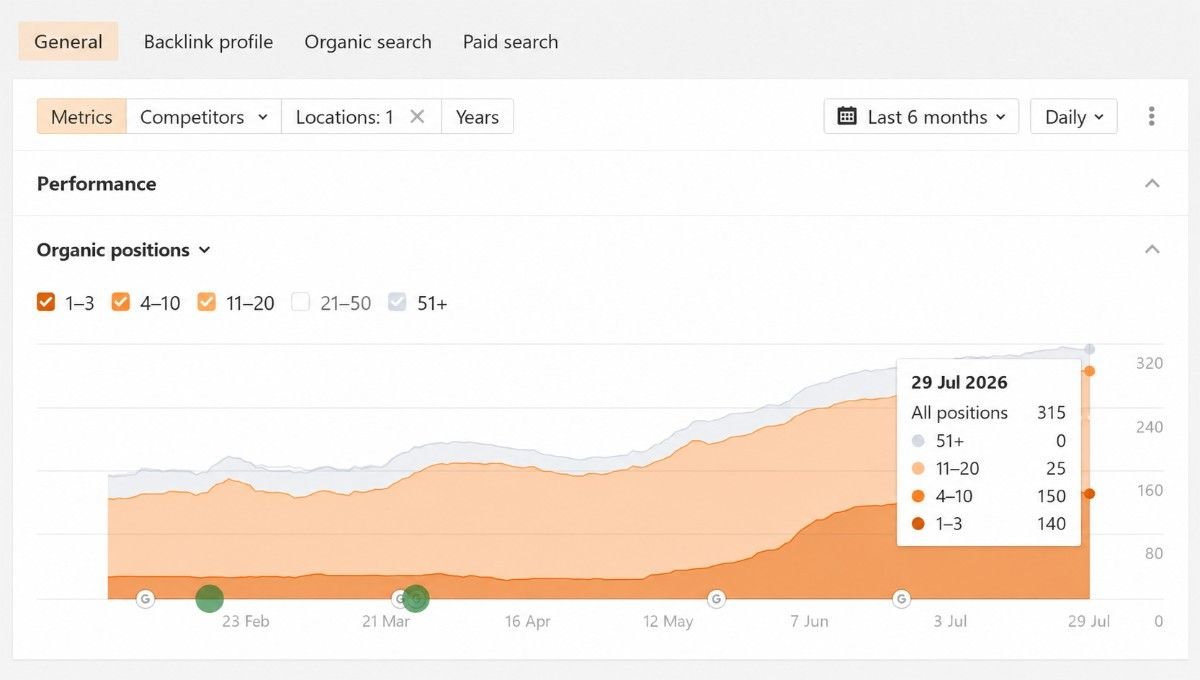
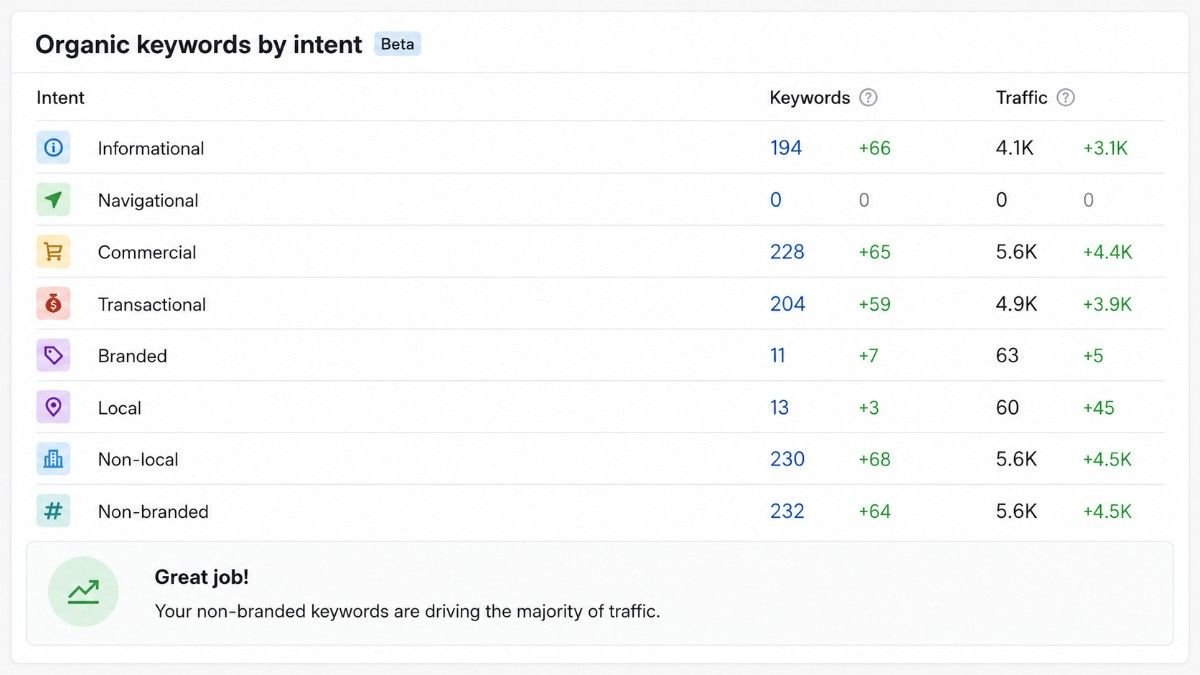
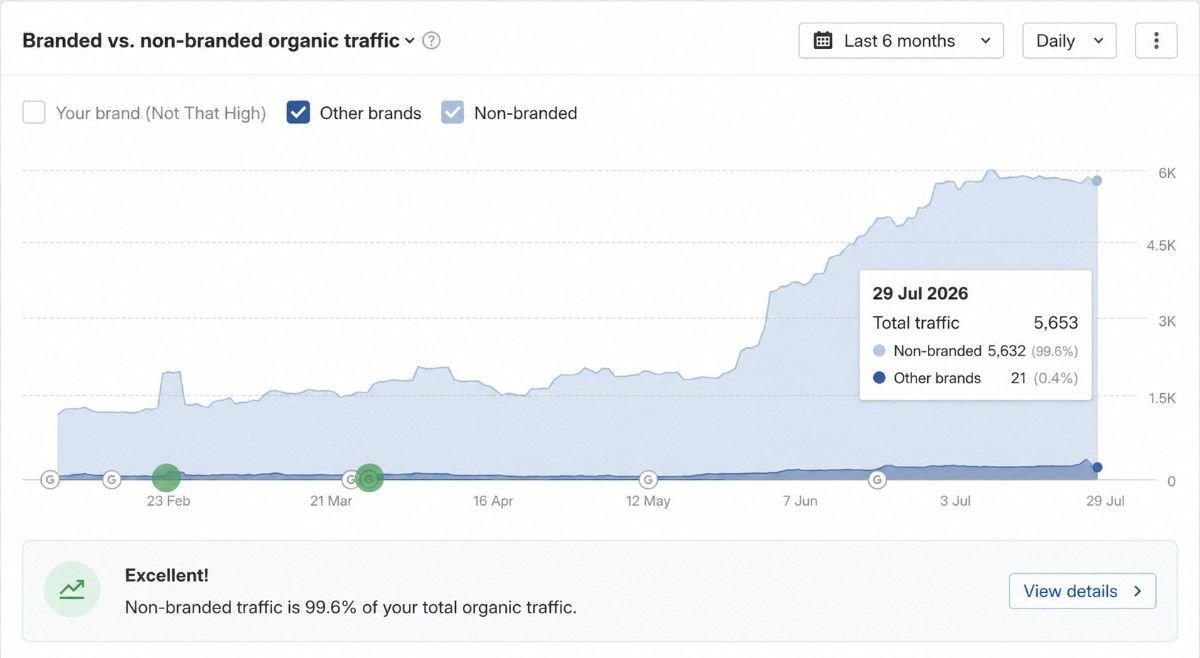
Ninety nine point six percent of the site's organic traffic is now non-branded. In plain terms, almost none of this growth comes from people who already knew the brand's name. It is category and product-intent traffic, the hardest kind to win and the most valuable kind to own, because it is demand captured from people discovering the brand for the first time.
Results: one category vs. a competitor's whole website
This is the number that started the conversation about writing this piece.
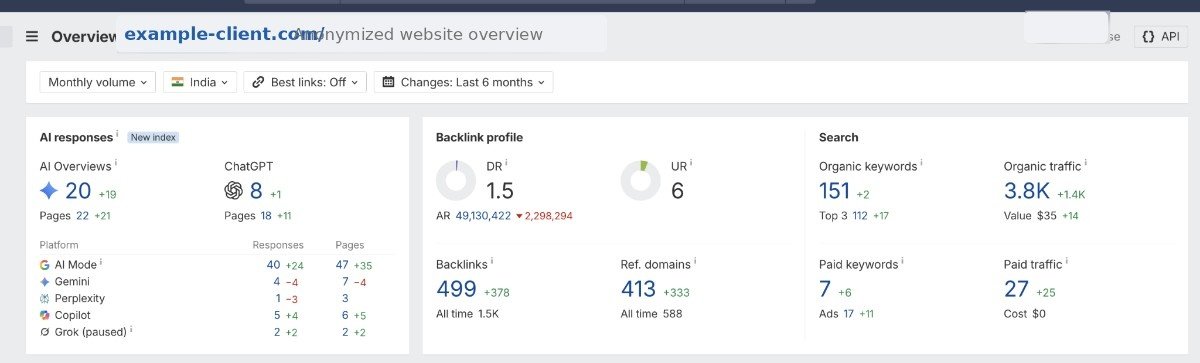
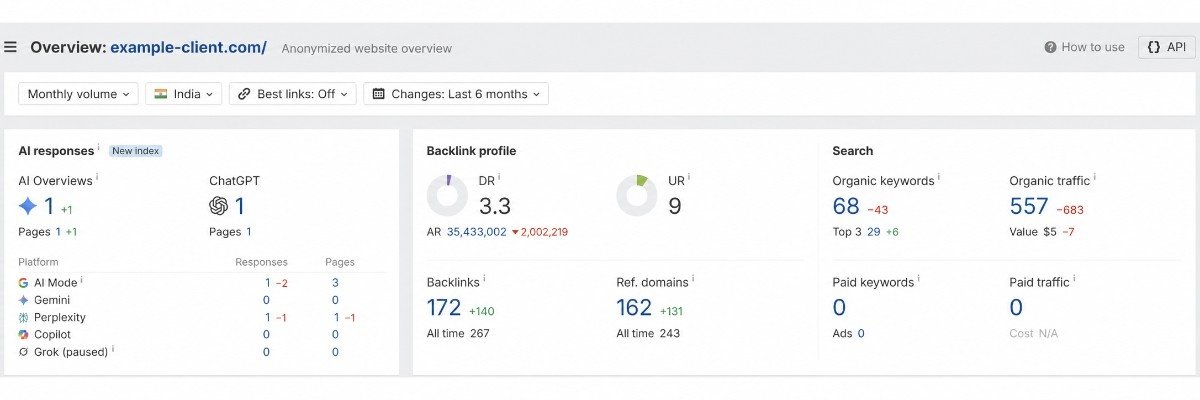
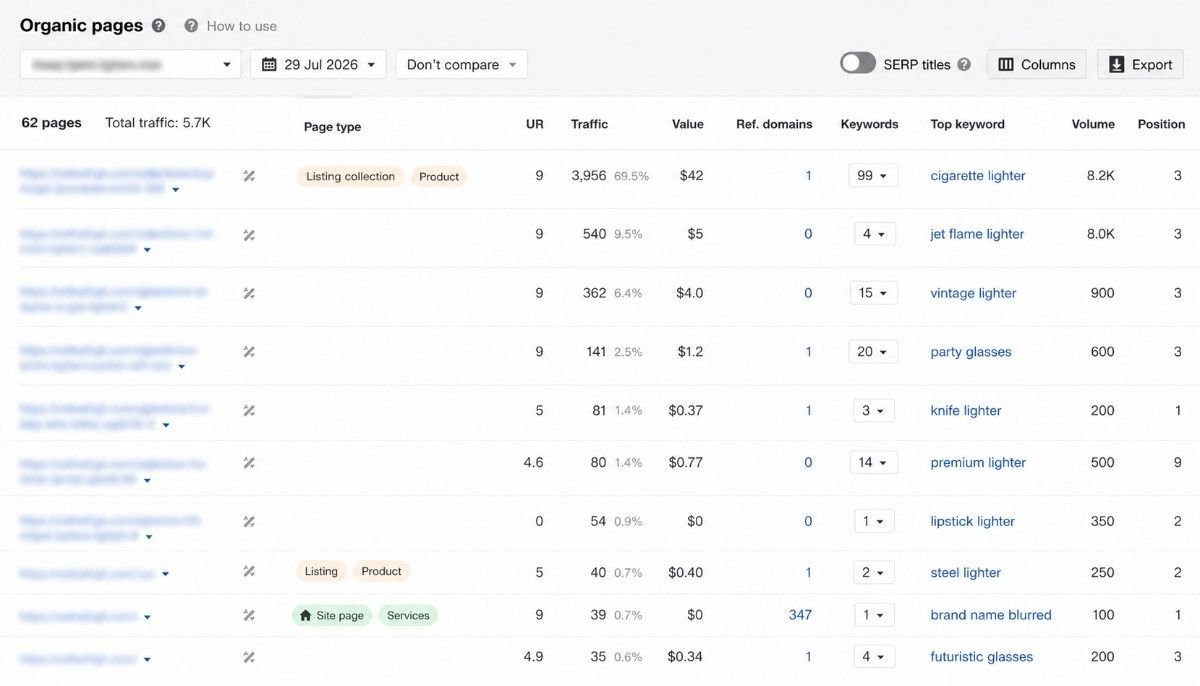
The client's single core category page now generates an estimated 3,956 in monthly organic traffic. One competitor's entire website, every page and category combined, generates an estimated 3,800 in monthly organic traffic. One category page on the client's site now outperforms that competitor's whole domain.
Against a second, smaller competitor, the same single category generates roughly seven times that competitor's total site traffic.
Both comparisons use the same tool and the same measurement method, so the numbers are directly comparable, not apples to oranges. Here is that comparison side by side, with domain names blacked out.
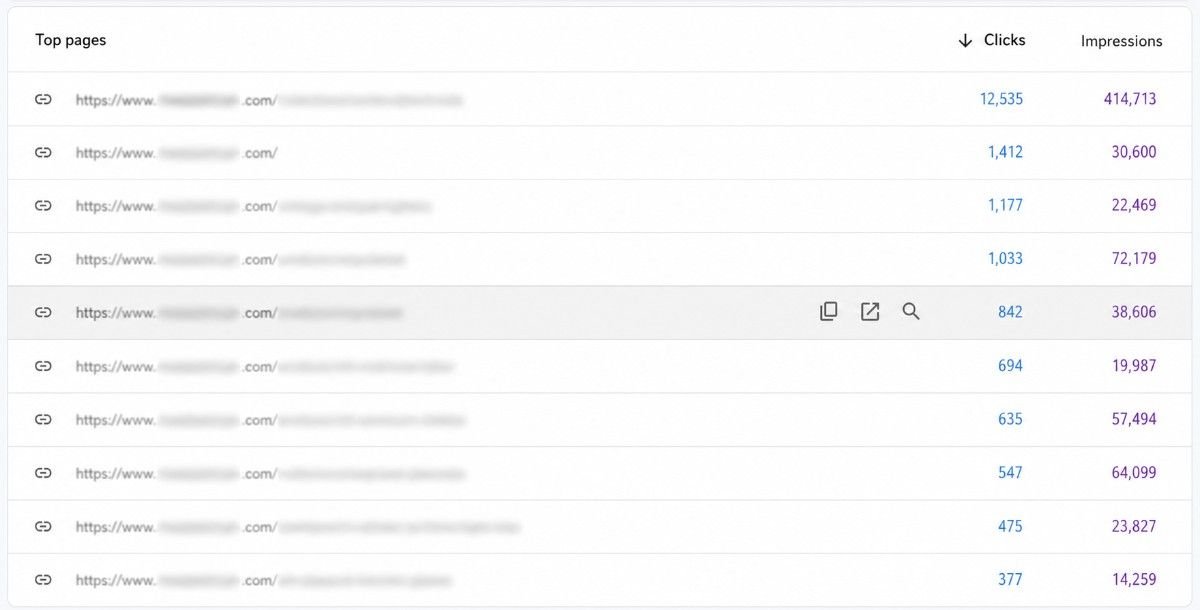
Search Console tells a similar story from a different angle. Over the trailing twelve months, the site recorded tens of thousands of clicks and well over a million impressions, with a steady upward trend rather than a single spike.
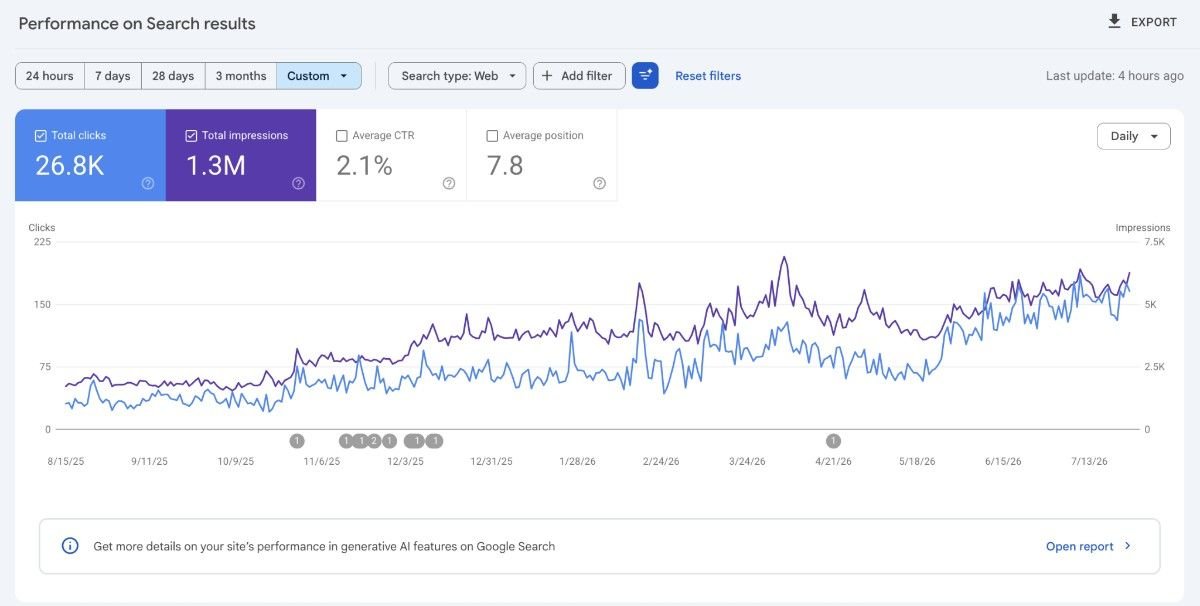
The core category page alone accounts for tens of thousands of those clicks and hundreds of thousands of those impressions.
Related service:Ecommerce growth services
Results: revenue, not just traffic
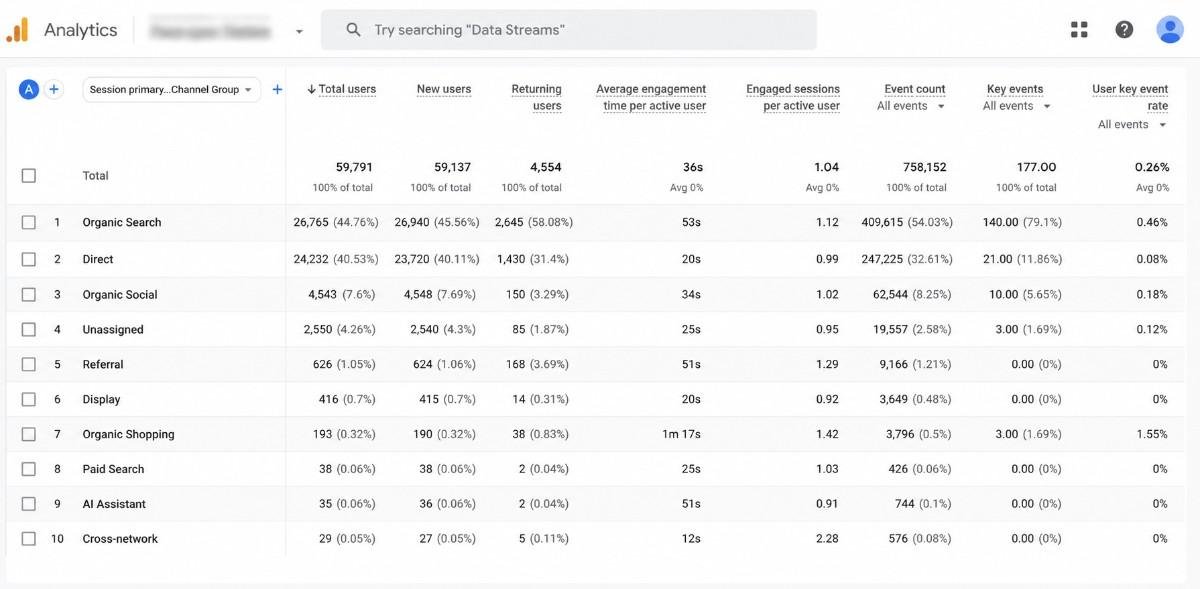
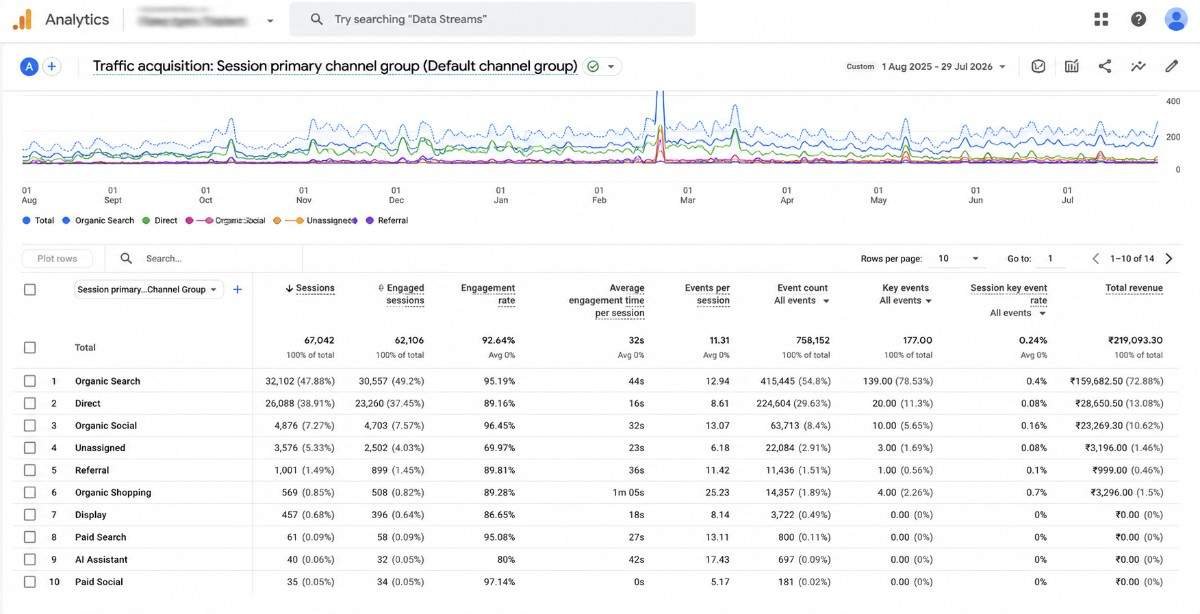
Traffic is easy to grow and easy to misread. Revenue is the number that tells you whether the traffic is actually working. Organic search is now the client's largest single revenue channel in GA4, ahead of direct traffic and paid search combined.
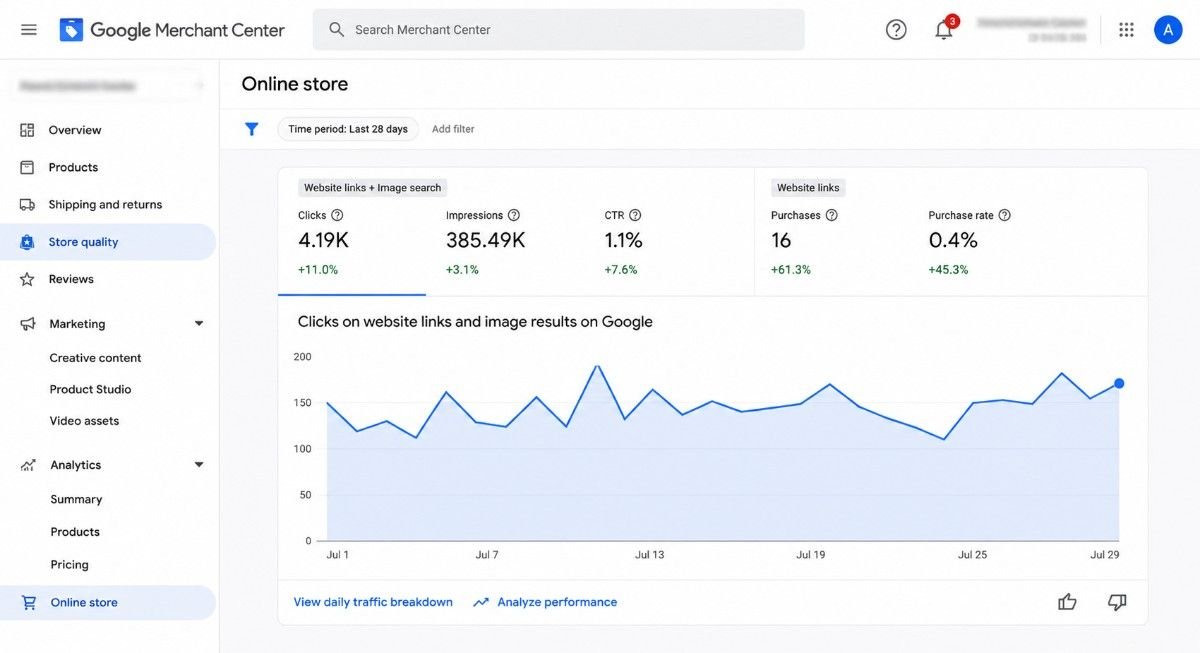
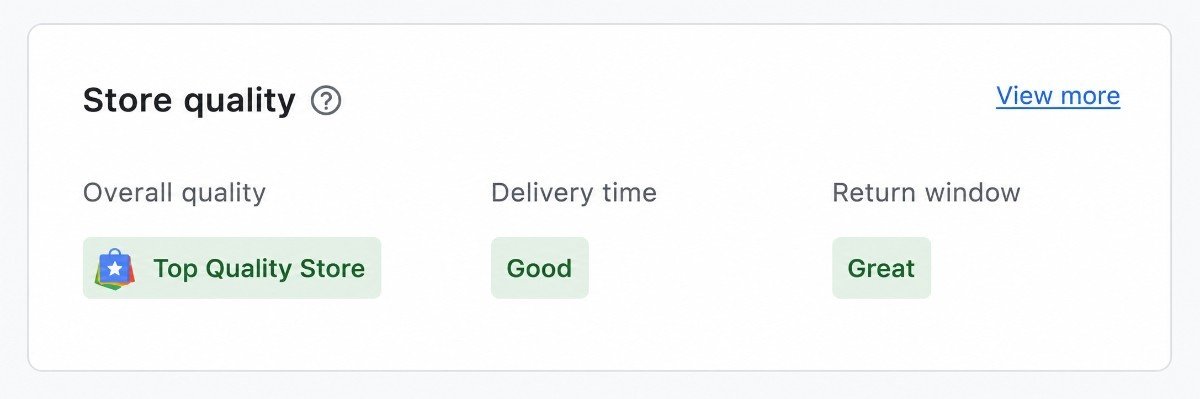
Google Merchant Center shows the same pattern from the free product listings side: purchases from free listings are up more than 60 percent, and the store carries Google's Top Quality Store badge alongside strong delivery and returns ratings, both of which support visibility in Google Shopping's free listings.
A smaller signal worth mentioning: AI Overviews
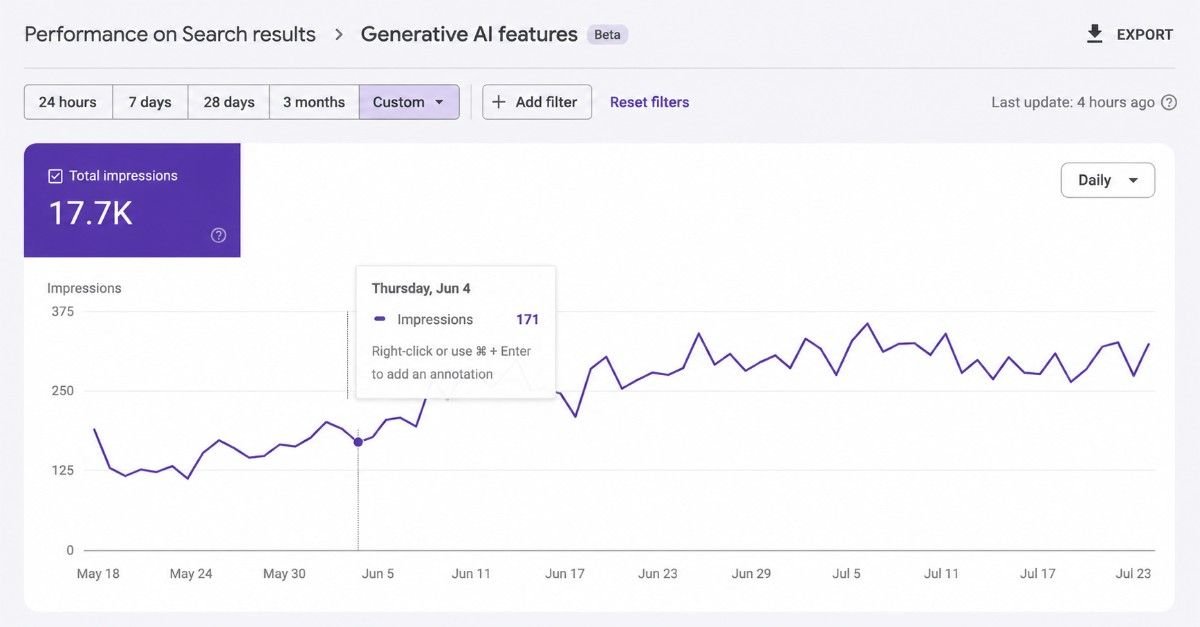
As a side effect of building this much depth around one topic, the category has also started appearing in Google's Generative AI features, including AI Overviews and AI Mode. Impressions there are climbing steadily, and citation counts are several times higher than either competitor's.
This is not the headline of the story. Traffic and revenue are. But it is a useful, low-effort proof point: content built for genuine topical depth tends to show up wherever search is heading next, not only in the traditional results list.
Why this approach works
Search engines rank pages, but they evaluate topics. A single well-optimized page can rank for one keyword. A cluster of interlinked pages that fully covers a topic signals something different: that the site is a genuine source of depth on that subject, not just a match for one search query.
That signal compounds. Each new page in the cluster reinforces the others, each internal link passes relevance between them, and each ranking keyword adds evidence that the category deserves to rank for the next one. Six months in, that compounding is the entire explanation for how one category outgrew a competitor's whole website.
Final thoughts
Ranking for a seed keyword and owning a category are two different outcomes. Most SEO work stops at the first one.
The growth in this case study came from treating the category as a single connected topic, covering every commercial and informational angle a real buyer searches for, and letting those pages reinforce each other instead of competing for the same one or two keywords.
Applied consistently, that is how a comparison stops being "did we outrank a competitor for one term" and becomes "did we outgrow their entire website."
If your category is still competing keyword by keyword instead of owning the full conversation around it, there is a strong chance you are leaving traffic and revenue on the table. At Oddtusk, this is the same cluster-first methodology behind our SEO services. Want a straight comparison of how your category stacks up against your competitors' entire websites? Let's start the conversation.
[ Common questions ]
SEO Case Study FAQs
A keyword cluster strategy groups search terms that share one topic and one buyer intent, then builds interlinked content to cover the full group instead of a single keyword. It helps search engines recognize a site as a genuine authority on the topic, which supports rankings across the whole cluster rather than one page.
In this case study, meaningful ranking growth appeared within three to four months, with the strongest gains in months five and six. Timelines vary by niche, competition, and how much of the topic was already covered before the strategy started.
Yes, when outranking is measured as estimated organic traffic rather than a single keyword position. If one page covers a topic in enough depth to rank for dozens of related terms, its combined traffic can exceed a smaller or less optimized competitor's total site traffic.
Non-branded traffic comes from people who did not already know the brand. It reflects genuine category demand capture rather than existing brand awareness, and it is a stronger signal of real SEO impact than traffic that mostly repeats existing brand searches.
Often, yes. Content built for deep topical coverage tends to be well suited for both traditional rankings and answer engines, since both reward clear, comprehensive, well-structured coverage of a topic rather than a single thin page.
No. The core requirement is a clear map of the topic's keyword variants and a content plan that covers them in a connected way. Budget affects how fast the cluster can be built, not whether the approach works. Explore our SEO services to see how we scope this work for brands of different sizes.
About this case study: This case study is based on live data pulled directly from the client's Google Search Console, Google Analytics 4, Ahrefs, and Google Merchant Center accounts over a six-month period. All figures are reported as shown in those platforms, without adjustment. Client, competitor, and URL details have been blacked out in every screenshot at the client's request to protect confidentiality. The strategy description reflects the general method used and intentionally omits the exact keyword list and page-level content plan.
