
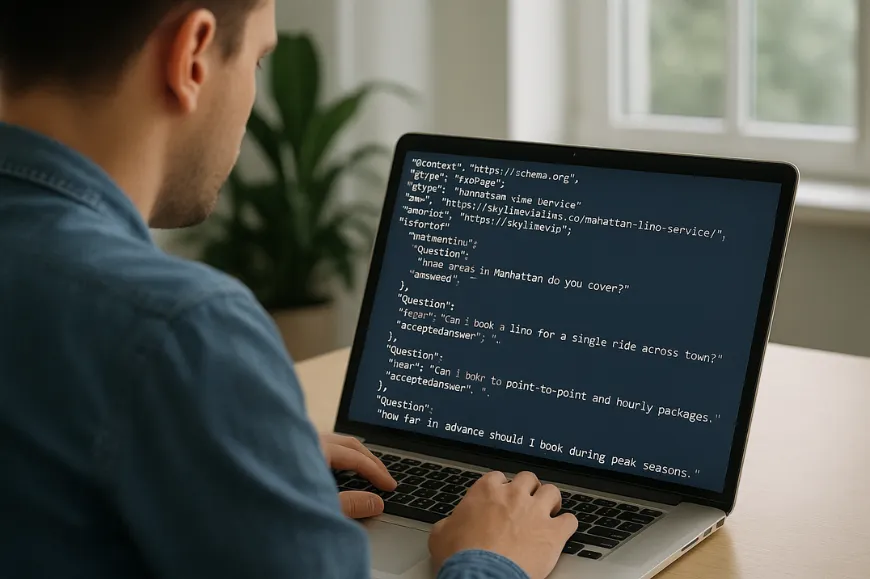
How schema markup and structured data drive rich snippets, higher CTR, and semantic authority in Google Search.
Featured Snippets Guide: Ranking #0 on Google
Date: 04 - 30 - 2026
Time to read: 14 minutes

[ Table of Content ]
Position Zero Is the Most Valuable Real Estate on Google
Ranking on the first page of Google is no longer enough. The most valuable position in search results sits above every organic listing: Position Zero, the featured snippet box that delivers a direct answer before users scroll past the first result.
Featured snippets have become the default answer mechanism for Google Search, voice assistants, and AI Overviews. Research indicates that more than 35 percent of voice search replies are sourced directly from featured snippets. As Google shifts from keyword matching to intent-driven, entity-aware search powered by the Search Generative Experience, the pages that win Position Zero are the ones that demonstrate structure, clarity, and verified expertise.
This guide covers the full process: what featured snippets are, how Google selects them, the technical prerequisites your site needs, content architecture for snippet extraction, a step-by-step optimisation strategy, and the tools that make the process measurable. Our SEO services are built around capturing these high-value SERP positions.
What Are Featured Snippets and Why Does Position Zero Still Matter?
A featured snippet is a curated search result displayed in a highlighted box at the very top of Google's organic listings. It provides users with a direct answer in the form of a paragraph, numbered list, table, image, or video, pulled from the most relevant page on the web.
Google displays five primary snippet types. Paragraph snippets deliver a concise text answer, typically 40 to 50 words. List snippets present numbered or bulleted steps for how-to and process queries. Table snippets organise data in rows and columns for comparison and statistical queries. Video snippets surface time-stamped tutorials for instructional searches. Entity cards display structured information about people, places, or concepts drawn from the Knowledge Graph.
Even with the expansion of AI Overviews and multi-modal SERPs, featured snippets continue to deliver distinct advantages. Landing at Position Zero signals expertise and builds brand authority around a topic. Zero-click results still generate brand recall because users see your answer and associate your name with the solution. Voice assistants including Google Assistant and Siri draw their spoken replies from snippet content. And pages that win snippets are frequently the same pages cited by AI Overviews, making snippet optimisation a dual-channel investment.
Suggested article:Schema SEO Power Moves: How Structured Data Drives Clicks and Rankings
How Google Selects Content for Featured Snippets
Google's algorithm selects snippet content based on three primary factors: intent alignment, content structure, and E-E-A-T signals. The Search Generative Experience has refined this selection process, pulling material that demonstrates depth, reliability, and direct relevance to the query.
Intent recognition drives format selection. Google distinguishes between "What is" queries that require paragraph answers, "How to" queries that call for numbered steps, and comparison queries that demand tables. The algorithm selects the content format that best matches the intent type. Authors who recognise this distinction and structure their content accordingly have a measurable advantage in snippet selection.
Snippets are dynamic, not permanent. Featured snippets appear and change as new content is published, queries are reformulated, and engagement signals like scroll depth, click-through rate, and dwell time influence the algorithm's confidence in a given answer. Winning a snippet requires ongoing monitoring, not a one-time optimisation pass.
Prerequisites Before You Optimise for Snippets
Content optimisation for featured snippets only works when the technical foundation supports it. Before targeting Position Zero, confirm that these elements are in place.
Crawlability and site architecture. Clean URL structures, consistent internal linking, and a logical page hierarchy ensure that Google's crawlers can discover and index every section of your content. Pages that are buried behind broken links or orphaned from the internal link graph will not be considered for snippet selection.
Core Web Vitals performance. Fast page loads, responsive interactivity, and visual stability are prerequisites for mobile-first indexing. Google is less likely to surface a snippet from a page that delivers a poor user experience, regardless of how well the content is structured.
Structured data markup. Adding Schema.org markup such as FAQPage, HowTo, or Speakable does not guarantee a snippet, but it provides the crawler with explicit signals about content structure and answer format. Structured data significantly increases the likelihood of snippet selection by making your content machine-readable.
Recency signals. Visible publication and update dates, references to current data, and links to recent sources matter significantly in fast-moving verticals like finance, technology, and health. Google favours fresh, maintained content for snippet positions in these categories.
Content identity and authorship. Clear author attribution, publisher information, and About pages help Google evaluate trustworthiness. E-E-A-T assessment starts with knowing who created the content and why they are qualified to answer the query.
Content Architecture for Snippet Selection
The way content is structured on the page directly determines whether Google can extract a clean answer for the snippet box. These architectural principles maximise extraction probability.
Use atomic content blocks. Break complex topics into short sections where each block answers a single, specific question. Google extracts snippets from focused, self-contained answer units, not from paragraphs that blend multiple ideas together.
Control snippet length. Paragraph snippets perform best at 40 to 50 words. Lists and tables may differ in length, but conciseness and precision consistently outperform longer, diluted answers.
Build semantic heading hierarchy. Frame each question as an H2 or H3 heading, then deliver the answer immediately below it. Avoid filler sentences between the heading and the answer. Use bold formatting to highlight the core response within the answer block.
Place snippet-ready blocks above the fold. Position at least one fully formed answer block within the first visible screen of the page. Content that appears early in the document typically receives priority in snippet selection.
State facts explicitly. Include specific numbers, dates, comparisons, and definitions in plain language. Google extracts concrete, declarative statements more reliably than implied or hedged answers.
Suggested article:Why Topical Authority Matters More Than Ever in AI-Powered Search
Step-by-Step Optimisation Strategy for Position Zero
Step 1: Run a snippet gap analysis. Use Semrush's Featured Snippet Reports or the SERP panel in Ahrefs to identify queries where your page ranks in the top ten but does not currently hold the featured snippet. These are your highest-probability targets because Google already considers your page relevant enough for the first page.
Step 2: Classify queries by intent type. Categorise each target keyword by its intent pattern: "What is" (paragraph), "How to" (numbered list), "Best" or "vs" (table or list), and "Why" (paragraph with supporting evidence). Match the answer format to the intent type Google expects.
Step 3: Write for snippet extraction. Draft a concise, direct answer in 40 to 50 words for paragraph targets. For how-to queries, use numbered steps with clear action verbs. For comparison queries, build a clean HTML table. The answer should be self-contained and comprehensible without reading the rest of the page.
Step 4: Layer semantic context around the answer. Surround the target answer block with semantically related terms, secondary keywords, and supporting detail that gives Google confidence in the depth and authority of the page without cluttering the extractable snippet itself.
Step 5: Add structured data and accessibility markup. Apply FAQPage or HowTo schema to the relevant sections. Use proper HTML heading tags (H2, H3) and include descriptive alt text on any supporting images. AI systems and accessibility tools both favour pages with clean semantic markup.
Step 6: Test and iterate. After publishing, monitor snippet performance in Google Search Console. If the snippet is not captured within two to four weeks, test variations: adjust the heading phrasing, reposition the answer block, or rewrite the core response. Controlled A/B testing through platforms like SearchPilot can isolate which changes drive snippet acquisition.
Step 7: Track engagement metrics. Monitor clicks, impressions, click-through rate, and position data in Google Search Console. Pair these with heatmap analytics to understand where users engage after landing on the page. Snippet success is measured by both acquisition and the downstream engagement it generates.
Common Mistakes That Cost You Position Zero
Even well-structured content fails to win snippets when these errors go uncorrected.
Buried answers. If the core answer is located deep within the page rather than near the top, Google is unlikely to extract it. The answer block should appear immediately after the relevant heading, ideally within the first half of the page.
Keyword-stuffed answer blocks. Snippet selection favours natural, concise language. An answer block overloaded with keyword variations reads as spam to both users and the algorithm. Write the answer as a clear, direct statement.
Format mismatch. Submitting a paragraph answer when Google displays a list for that query type is a guaranteed loss. Always check the current SERP format for your target query before structuring your answer.
Neglecting structured data. Pages without FAQPage, HowTo, or Article schema miss the explicit signals that help Google identify extractable answer blocks. Structured data is not optional for competitive snippet targeting.
Ignoring post-click engagement. Winning the snippet is only half the outcome. If users click through and immediately bounce, that negative engagement signal weakens your snippet position over time. The landing page must deliver on the promise the snippet makes.
Multimedia and Entity Optimisation for Snippets
Text is no longer the only content type that wins Position Zero. Google increasingly surfaces multimedia content in snippet positions, and entity-level optimisation strengthens eligibility across all formats.
Video snippets. Time-stamped tutorials backed by VideoObject schema and descriptive meta tags frequently appear for instructional queries. Structuring video content with clear chapters and timestamps increases extraction probability.
Image cards. Descriptive captions paired with high-quality, original images can land visual snippet slots. Use ImageObject schema and contextual alt text to ensure Google understands the image's relationship to the query.
Entity graph alignment. Content that connects to recognised entities in Google's Knowledge Graph ranks more strongly for snippet selection. Reinforce entity relevance through structured data, internal links to related topic pages, and explicit mentions of entity names and relationships within the content.
Voice search optimisation. Snippets that serve as voice replies typically follow a clear question-and-answer format. Apply the Speakable schema to answer blocks you want voice assistants to read aloud, and test results on smart speakers to verify delivery quality.
Tools for Winning Featured Snippets in 2025
The right tools make snippet targeting measurable and systematic rather than guesswork.
SEOClarity Answer Box Analyzer identifies snippet gaps across your keyword portfolio and tracks snippet performance over time, showing which positions you hold and which competitors currently own.
Frase.io generates AI-powered content briefs optimised for snippet-friendly structure, helping writers hit the right word count, heading format, and answer precision for each target query.
Surfer SEO analyses top-ranking pages for each query and provides data-driven recommendations on heading structure, keyword density, and content length that align with snippet-winning patterns.
Keyword Insights organises intent-rich questions hidden within your keyword data, surfacing the specific queries most likely to trigger featured snippet results.
Clearscope deepens entity coverage and semantic relevance within your content, ensuring the answer block is supported by the topical depth Google requires for snippet confidence.
InLinks builds a semantic internal linking architecture across your site, connecting related entity pages in a way that reinforces topical authority and improves snippet eligibility for cluster-level queries.
Google Search Console remains essential for tracking which queries trigger your snippets, monitoring click-through rates from Position Zero, and identifying new snippet opportunities as they emerge.
Clarity Is the Currency That Wins Position Zero
Featured snippets are not an SEO vanity metric. They are a public declaration that your brand communicates with both precision and authority. In a search landscape saturated with competing content, Google uses the highlighted box to signal which source best understands the question being asked.
Landing at Position Zero plants trust in the user's mind before they click a single result. You are no longer one option among ten. You are framed as the answer. In 2025's multi-modal search environment where AI Overviews, voice assistants, and visual search all draw from the same structured content, that distinction compounds across every channel.
The path to winning snippets is not a shortcut. It requires structured content architecture, semantic precision, validated expertise, and consistent iteration. Build resources that answer questions directly, respect the user's time, and deliver focused information without detours. Visibility, reputation, and conversions follow as natural outcomes.
At Oddtusk, we build snippet acquisition strategies grounded in semantic SEO, structured data deployment, and intent-driven content architecture. Our SEO services and content marketing solutions are engineered to capture Position Zero across your highest-value queries and sustain those positions as the SERP evolves. Ready to own the answer box? Let's build your featured snippet strategy together.
