Native Ads Services
Native ads are paid content placements that match the look and function of the platform where they appear. Oddtusk creates native advertising campaigns on publisher networks for brand awareness and content distribution.
Native ads match the form and function of the editorial environment they appear in. They do not look like ads. They look like content recommendations on the same page the reader is already consuming. This is why native ads consistently outperform display banners on engagement and generate significantly lower CPCs at scale. Oddtusk builds native advertising programmes on Taboola, Outbrain, and programmatic native networks that deliver qualified traffic at volume without the banner blindness and ad fatigue that limit display spend efficiency.

- Taboola Campaign Management
- Outbrain Campaign Management
- Programmatic Native Advertising
- Native Creative and Headline Testing
- Audience and Contextual Targeting
- Landing Page Optimisation
- Conversion Tracking and Attribution
Native ads at scale are a testing and segmentation problem. Most
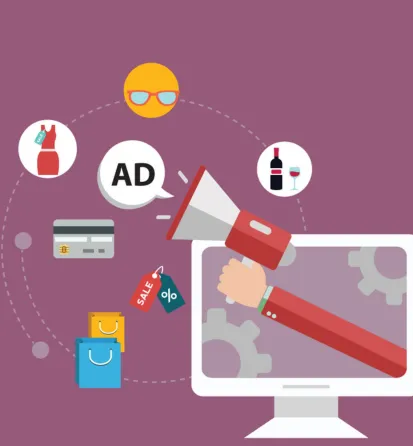
Native ad performance is driven by two signals the algorithm optimises for: click-through rate and post-click engagement. A headline that earns a high CTR but sends traffic to a page that immediately bounces trains the algorithm to stop serving the ad. Oddtusk manages both sides of the equation: headline and image testing that maximises CTR at the lowest CPC, and landing page optimisation that ensures the post-click experience matches the promise the native ad made. Native is most powerful when it feeds into a broader content marketing and remarketing strategy.
Headline and Image Creative Testing
Native ad performance is determined by the headline and thumbnail image more than any other variable. We produce 10 to 20 headline variants per campaign using curiosity gaps, specificity, emotional hooks, and editorial tone to identify combinations that generate the highest CTR at the lowest CPC. Image testing follows the same systematic approach, testing context, faces, products, and colour contrast. This process mirrors the content strategy discipline we apply across all channels.
Taboola and Outbrain Campaign Architecture
Taboola and Outbrain have different publisher network compositions, auction dynamics, and audience targeting capabilities. We manage campaigns on both platforms separately rather than duplicating the same setup, optimising campaign structure, bidding strategy, and publisher blacklists independently for each network. Spend allocation between platforms is adjusted monthly based on cost per qualified visitor and conversion rate data from GA4.
Audience and Contextual Targeting
Native platforms offer audience targeting by interest category, browsing behaviour, and demographic profile alongside contextual targeting that places ads adjacent to editorial content matching specific topics. We combine both targeting methods to reach readers who are contextually receptive to the subject matter and behaviourally matched to the target audience profile. This approach is informed by consumer behaviour analysis and retargeting data applied across the funnel.
Publisher Blacklist Management
Native networks distribute ads across thousands of publisher sites. Not all publisher traffic converts equally. Sites that generate high click volume at low CPC but produce no conversions are brand safety risks or click farm adjacent placements. We monitor site-level performance weekly, building and maintaining blacklists of publishers that deliver low-quality traffic and whitelists of placements producing consistent conversion activity, ensuring budget concentrates on the placements that actually work.
Landing Page and Content Match
Native ads work when the landing page delivers on the editorial promise made by the headline. A native ad that reads like a news article must land on a content page, not a product category grid or a generic homepage. We design landing page requirements for every native campaign and review or build pages that continue the narrative established in the ad creative. This is where native intersects with our content and blog writing capability and CRO services.
Programmatic Native at Scale
Beyond Taboola and Outbrain, programmatic native inventory through DSPs including DV360 and The Trade Desk provides access to premium publisher placements at auction pricing with superior audience data targeting. For brands requiring higher-quality placements and stronger audience segmentation than open network native, we manage programmatic native as a separate campaign layer with audience targeting sourced from first-party data, third-party segments, and contextual keyword matching. Programmatic native sits alongside our full paid media advertising suite.
60% lower CPC vs Google Display. 3x higher engagement than banners.

Native ads deliver 50 to 70 percent lower CPC than Google Display Network due to higher engagement in editorial environments. Better-performing creatives reduce auction costs over time and feed stronger signals to the platform algorithm.
Native ads in editorial feeds drive 3 times higher engagement than banners by blending with surrounding content. They match user behaviour instead of interrupting it. Traffic seeds remarketing audiences for downstream conversion on Google and Meta.
Removing low-quality placements and focusing on top publishers cuts CPC by 35 to 45 percent within 30 days. Budget shifts to high-engagement sites, eliminating low-value clicks. All tracked through GA4 attribution.
From campaign setup to scaled qualified traffic
Account Audit and Platform Selection
Audience and Targeting Strategy
Creative Production and Headline Testing
Landing Page Review and Conversion Setup
Publisher Optimisation and Bid Management
Reporting, Scaling and Iteration
Straight answers to the questions that matter.
Native ads are paid placements that match the visual design and editorial format of the content environment they appear in. On a news publisher site, they appear as recommended article links within the content feed rather than as banner slots in fixed ad positions. This format means readers encounter them as content recommendations rather than interruption advertising, producing significantly higher engagement rates and lower banner blindness than standard display banners at the same placement. See the full context within our paid media advertising stack.
Taboola and Outbrain are the two largest content discovery networks, each running native ad placements across thousands of publisher websites globally. Taboola has a larger publisher network and typically provides broader reach at lower CPCs, with strong presence on major news and entertainment publishers. Outbrain has historically focused on premium editorial publishers and tends to produce higher-quality traffic at slightly higher CPCs. Both platforms run similar auction-based bidding models and offer comparable audience targeting capabilities. Both integrate with our GA4 attribution setup for unified reporting.
Native advertising works best for products and services with a consideration phase that benefits from content-led education. Financial products, insurance, health and wellness brands, ecommerce brands selling considered purchases, and SaaS companies with content marketing strategies all perform well with native. Direct response products requiring immediate purchase decisions perform less consistently because native traffic needs a content bridge between the ad and the conversion.
Native campaigns require sufficient budget to generate statistically meaningful data from headline and image testing before optimisation decisions can be made. A minimum of 3,000 to 5,000 USD per month provides enough volume for effective creative testing across both Taboola and Outbrain. Below that level, learning periods extend significantly and publisher blacklist management lacks sufficient click data to make reliable exclusion decisions. Budget requirements scale with the number of audience segments and creative variants being tested simultaneously.
The headline and thumbnail are the only creative assets visible to the user before they click. They determine whether a reader stops scrolling and clicks through. A 0.5 percent improvement in CTR across 100,000 impressions is 500 additional clicks. At scale, headline testing is the single highest-leverage optimisation activity in native advertising. We treat headline production as a creative discipline, writing variants that test different hooks, formats, and emotional angles systematically. See how this feeds into our content writing capability for landing page production.
Native networks distribute ad spend across thousands of publisher sites automatically. Some of these sites produce cheap, high-volume clicks that result in immediate bounces with no conversion activity. These include low-quality content farms, made-for-advertising sites, and placements adjacent to sensationalist content. A publisher blacklist excludes these sites from receiving budget, concentrating spend on placements that produce genuine post-click engagement. Without active blacklist management, a significant portion of native spend goes on non-converting traffic sources. All performance is measured through GA4 attribution.
Native traffic performs best when the landing page continues the editorial narrative established in the ad headline rather than abruptly transitioning to a sales page. Advertorial-style content pages that begin with the story or insight promised by the headline and gradually introduce the brand solution produce higher time-on-page, lower bounce rates, and better conversion rates than direct product landing pages. Our content writing and CRO teams support this setup.
Yes. Both Taboola and Outbrain support retargeting audiences built from first-party pixel data. Website visitors, specific page viewers, and cart abandoners can be targeted with native ads across the publisher network. Native retargeting typically generates higher CTR than cold prospecting because the audience is already familiar with the brand, and the editorial format of native placements provides a less aggressive retargeting experience than banner display retargeting at the same frequency and reach levels.
Native advertising is most effective as a mid-funnel channel between awareness and conversion. Google Search captures active demand. Meta Ads and native advertising build brand familiarity with audiences not yet in active search mode. For brands with content marketing strategies, native extends the reach of that content beyond organic channels. Native-driven content engagement seeds remarketing audiences for subsequent conversion campaigns on other platforms.
Monthly reports cover CPC, CTR, and spend by headline and image variant, conversion rate and cost per conversion by landing page, publisher performance breakdown with blacklist and whitelist recommendations, audience segment performance, and overall cost per qualified visitor and conversion from GA4. For content-led campaigns where the conversion is engagement rather than a direct transaction, time on page, scroll depth, and email capture rate are used as proxy conversion metrics alongside downstream revenue attribution.