Retention Marketing Services
Retention marketing is the strategy of keeping existing customers engaged to increase repeat purchases and lifetime value. Oddtusk builds retention programs using email, loyalty, and lifecycle automation for ecommerce brands.
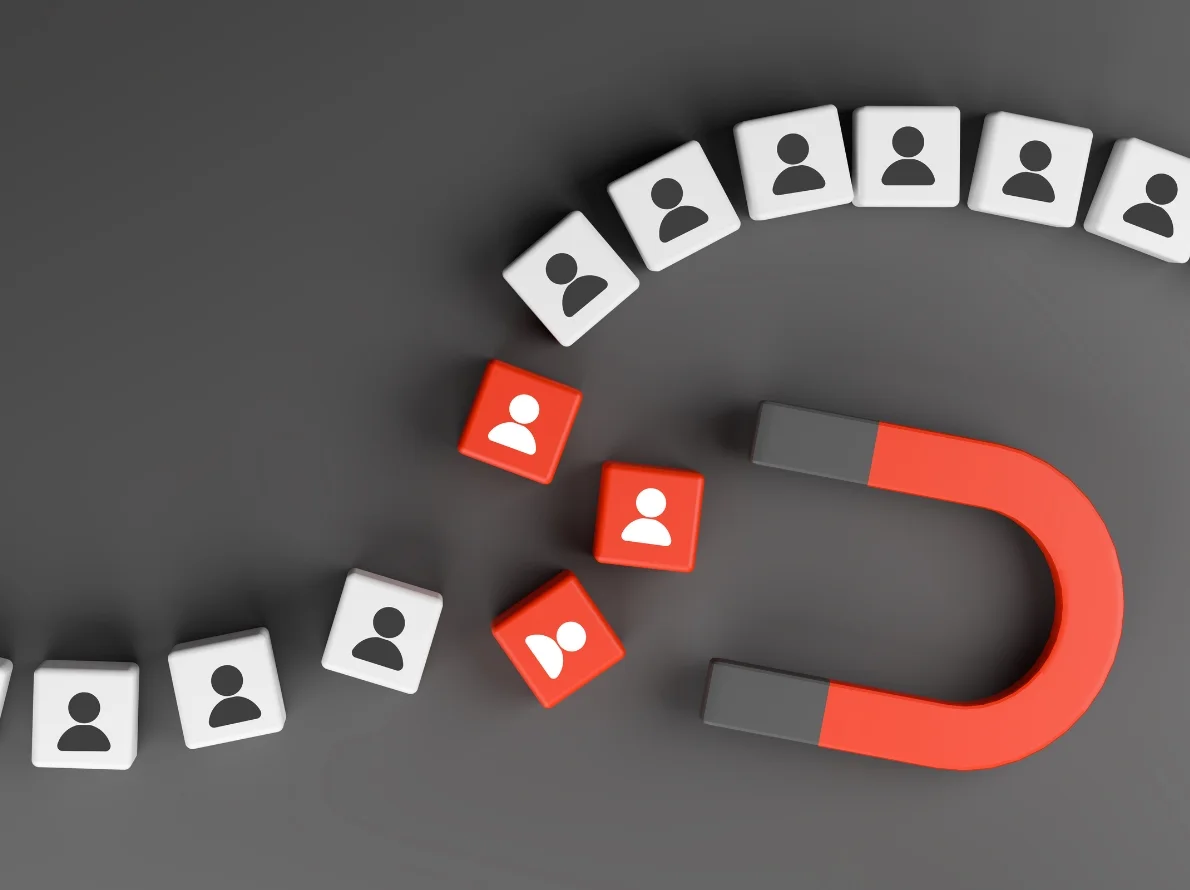
Acquiring a customer costs five to seven times more than retaining one. Yet most brands ignore retention, resulting in a leaky bucket where top-fill drains out the bottom. Oddtusk builds retention programmes that close this drain. Automated email and WhatsApp lifecycle flows, combined with loyalty architecture and win-back campaigns, transform one-time buyers into repeat customers who make a D2C brand profitable at scale.
- Email Lifecycle Automation
- WhatsApp Retention Flows
- Abandoned Cart Recovery
- Post-Purchase Sequence Design
- Win-Back and Reactivation Campaigns
- Loyalty Programme Architecture
- RFM Segmentation and LTV Analysis
Retention is not a newsletter. It is a sequenced, segmented,
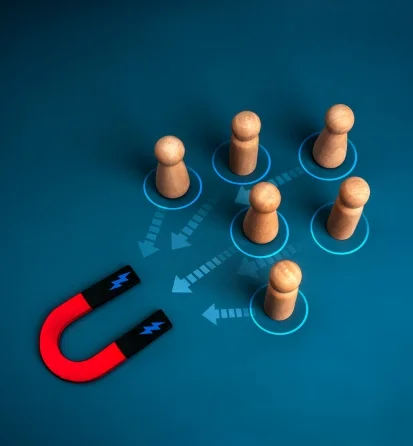
Most brands confuse monthly newsletters with retention marketing. Actual retention gets triggered by specific customer behaviour: purchase history, time since last order, or loyalty tier status. Every message must be personalised to the customer's current relationship with the brand. Oddtusk builds the automation infrastructure that makes this precision possible at scale across email and WhatsApp, connected to the full ecommerce marketing stack and measured in GA4.
Email Lifecycle Automation
We manage lifecycle flows in Klaviyo or Omnisend, covering the entire post-acquisition journey. The welcome series introduces brand story and first-purchase incentives. Post-purchase sequences extend through reviews, cross-sells, and replenishment reminders timed to consumption cycles. Win-back sequences target dormant customers with escalating offers. Each flow gets A/B tested on subject lines, timing, and copy. All attributed in GA4.
WhatsApp Retention Flows
WhatsApp is the highest-read retention channel for Indian D2C, offering open rates up to 95 percent. We build WhatsApp automation through the Business API, covering cart recovery, order notifications, and replenishment reminders. All templates get pre-approved through Meta before going live, with opt-out handling configured to protect channel health.
RFM Segmentation and Customer Analysis
We segment your database using recency, frequency, and monetary value analysis to identify distinct customer tiers. Champions get rewarded, loyal customers get elevated to VIP status, and targeted win-back interventions get applied to at-risk customers. This analysis gets refreshed quarterly so your segmentation reflects current behaviour rather than historical snapshots. Segmentation feeds directly into our LTV analysis layer.
Loyalty Programme Design
We design loyalty architecture before selecting technology, defining rules for earning, rewards, and tier benefits. Our design focuses on increasing purchase frequency rather than just distributing discounts. Effective structures reward reviews and referrals, creating multiple touchpoints that keep your brand top of mind between purchase cycles. Loyalty gets integrated with the Shopify stack and connected email and WhatsApp flows.
Abandoned Cart and Checkout Recovery
Cart abandonment represents the highest-intent lost revenue in your funnel. We build three-step recovery sequences across email and WhatsApp: immediate reminders, social proof messages, and final incentive offers. Audience exclusions remove converted customers immediately. Discount codes get issued only to those who have not converted after initial messages, protecting your margins. Revenue gets tracked via GA4 attribution.
Retention Analytics and Reporting
We track retention health through cohort-based reporting, monitoring repeat purchase rates, LTV, and churn. Revenue attribution uses unique UTM and discount codes to measure each automation's contribution, all flowing into GA4. Monthly reports cover repeat purchase trends, LTV by vintage, flow performance, and loyalty enrolment. This provides a clear view of revenue attributed to retention versus first-purchase acquisition spend from performance marketing.
30% cart recovery. 25% of revenue from retention in 6 months.

D2C brands with a structured three-step recovery sequence across email and WhatsApp consistently recover 25 to 35 percent of abandoned carts within 72 hours. Revenue that would otherwise be permanently lost despite the acquisition spend that brought the visitor to cart stage.
Brands that activate a full lifecycle automation programme consistently achieve 20 to 30 percent of total monthly revenue from retention channels within 6 months. Generated from existing customers at near-zero marginal acquisition cost: the most capital-efficient revenue in the business.
D2C brands that activate post-purchase flows, replenishment reminders, and win-back campaigns consistently double their repeat purchase rate within 6 months of full programme activation. Tracked by cohort in GA4.
From customer database audit to compounding retention revenue
Retention Audit and Baseline
RFM Segmentation and Lifecycle Mapping
Email Flow Architecture and Copy
WhatsApp Flow Build and Template Approval
Loyalty Programme Build and Integration
Reporting, Optimisation and Programme Growth
Straight answers to the questions that matter.
Retention marketing is the set of strategies that turn first-time buyers into repeat customers without additional paid acquisition spend. It spans email automation, WhatsApp messaging, loyalty programmes, and win-back campaigns, all designed to maximise the revenue generated from customers already in the database. For ecommerce brands, retention marketing is the most capital-efficient growth lever available because each retained customer generates incremental revenue at near-zero marginal acquisition cost, directly improving the LTV-to-CAC ratio that determines whether scaling the acquisition budget is profitable.
Lifecycle marketing is the broader discipline of designing relevant communications for every stage of the customer relationship, from the first visit through post-purchase and long-term loyalty. Retention marketing is specifically focused on post-purchase stages: converting first-time buyers to repeat purchasers, increasing purchase frequency, and reactivating lapsed customers. We use lifecycle architecture to sequence the right messages at the right moments and measure success through retention-specific metrics tracked in GA4: repeat purchase rate, LTV, and churn rate.
Repeat purchase rate benchmarks vary significantly by product category and purchase cycle. Consumable products like supplements, skincare, and food typically achieve 40 to 60 percent repeat purchase rates within 12 months with good retention programmes. Considered-purchase categories like apparel and electronics typically achieve 20 to 35 percent. The most useful benchmark is the brand's own baseline, measuring how repeat purchase rate changes as retention programmes get activated. We track this as a 90-day, 180-day, and 12-month cohort metric in GA4.
RFM stands for Recency, Frequency, and Monetary value: three dimensions that define a customer's value and behaviour profile. RFM segmentation groups customers into meaningful tiers including Champions, Loyal, At-Risk, Lost, and Potential, each requiring a different retention intervention. Champions need loyalty rewards and exclusive access. At-Risk customers need win-back campaigns before they go fully dormant. Lost customers need reactivation offers. Applying the same communication to all segments produces worse outcomes than treating each segment with a strategy matched to their specific behaviour.
The minimum viable retention automation set covers six flows: a welcome series for new subscribers that builds brand relationship and drives the first purchase. An abandoned cart recovery sequence with messages at 30 minutes, 3 hours, and 24 hours. A post-purchase flow from delivery confirmation through review request and replenishment reminder. A win-back campaign for customers who have not purchased in 90 to 180 days. A browse abandonment flow for high-intent product viewers who did not add to cart. And a VIP recognition flow that rewards customers reaching a spend threshold. All flows get built across email and WhatsApp.
Email and WhatsApp serve different roles in an Indian D2C retention stack. Email is better suited for longer-form post-purchase sequences and newsletter-style brand communications. WhatsApp achieves 80 to 95 percent open rates versus 20 to 30 percent for email, making it the stronger channel for time-sensitive messages like cart recovery and flash sales. For Indian D2C brands, WhatsApp cart recovery consistently outperforms email because messages get read within minutes. The optimal programme uses both channels with each doing what it does best.
Customer Lifetime Value is the total revenue a brand expects to generate from a customer across their entire relationship with the brand: average order value multiplied by purchase frequency multiplied by customer lifespan. Retention marketing directly increases LTV by improving all three components. Post-purchase cross-sell flows increase average order value, replenishment reminders and loyalty mechanics increase purchase frequency, and win-back campaigns extend customer lifespan. A brand that doubles repeat purchase rate through retention automation either justifies spending more on performance marketing or improves profitability at the same acquisition level.
Shopify loyalty programmes get typically built using Loyalty Lion, Smile.io, or Yotpo Loyalty. We design the programme architecture before selecting the app: defining points earning rules, reward redemption options, tier thresholds, tier benefits, and the communication sequence that drives programme awareness. The programme gets integrated with the Shopify store and email and WhatsApp automation stack so tier upgrades and point milestones trigger automated communications. Success gets measured by enrolment rate, redemption rate, and the repeat purchase rate differential between enrolled and non-enrolled customers.
Retention marketing investment becomes high-priority once a brand has acquired at least 500 to 1,000 customers with purchase data. Above this threshold, the LTV difference between a customer who buys once and a customer who buys three times becomes large enough that the programme investment pays back within 60 to 90 days of activation. For brands spending heavily on paid acquisition, the priority sequence is: fix attribution first, activate retention automation second, then scale acquisition. Retention improvement reduces the CAC required to grow profitably.
Monthly retention reports cover repeat purchase rate by 90-day and 12-month cohort, LTV by acquisition month cohort, churn rate and reactivation rate, email flow performance including open rate and revenue per recipient, WhatsApp flow performance including delivery rate and CTR, loyalty programme enrolment and redemption rates, and revenue attributed to retention channels as a percentage of total revenue. All unified in a single GA4 view.