

WhatsApp Automation India
Most WhatsApp automation guides for Indian brands compare WATI and Interakt and stop there. AiSensy is the lowest-cost entry point for Indian SMBs sending fewer than 5,000 messages per month and is barely mentioned in most comparisons. The right platform depends on message volume, Shopify integration depth, chatbot complexity, and budget. Oddtusk selects the platform that fits the brand, not the one with the highest affiliate commission. Every programme connects to our retention marketing service.
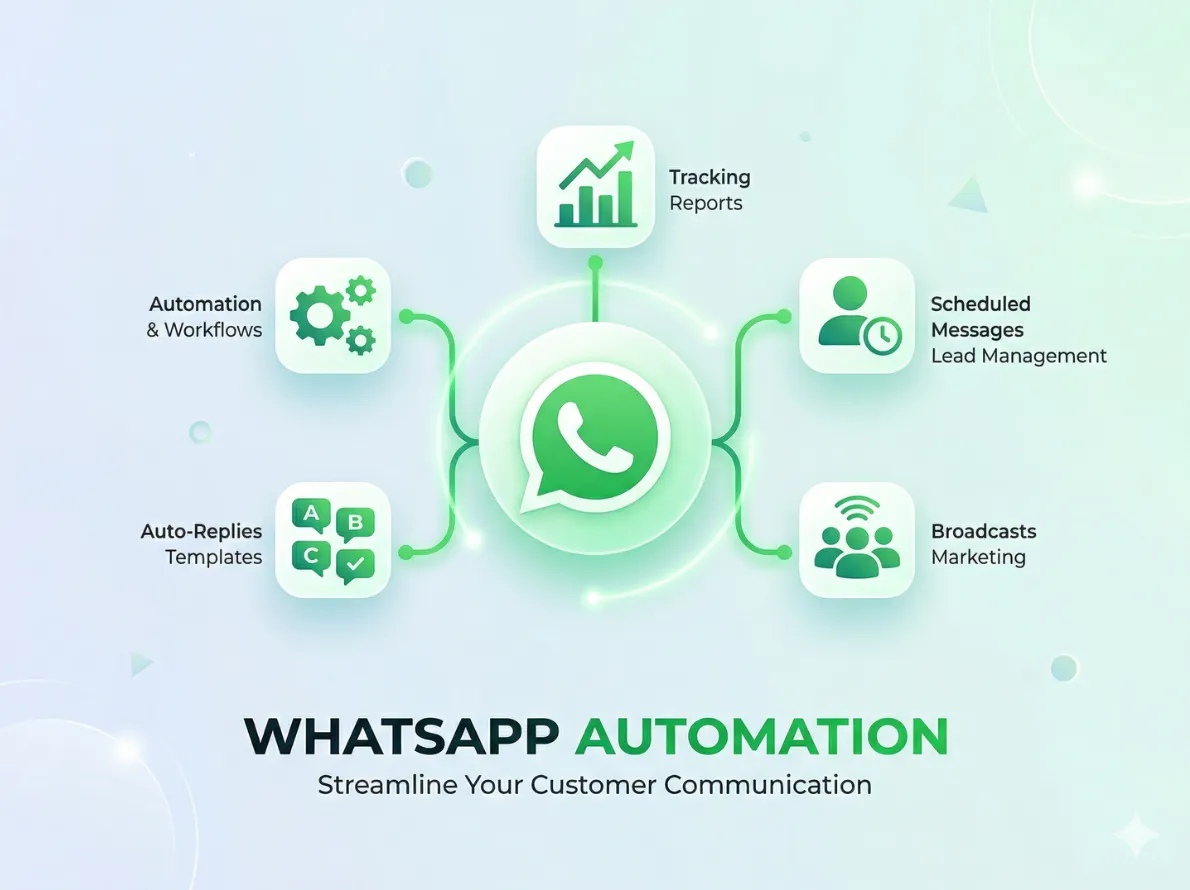
- Meta Business verification support
- Platform selection (WATI, Interakt, AiSensy)
- Shopify or WooCommerce integration
- Abandoned cart flow (1hr and 24hr)
- Order confirmation and tracking
- Post-purchase review and cross-sell
- Replenishment reminder flow
- Win-back broadcast for lapsed customers
- B2B lead response and qualification flow
- Message template submission and approval
- DPDP opt-in consent configuration
- AI chatbot for FAQ and order queries
Every WhatsApp automation guide in India compares WATI and Interakt. Almost none mention AiSensy, the lowest-cost entry point for Indian SMBs with low to medium message volumes.
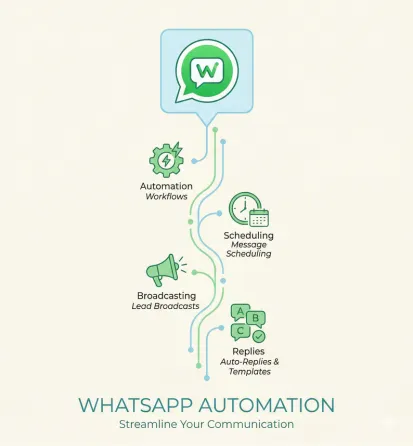
AiSensy serves Indian D2C brands sending fewer than 5,000 monthly messages and handles abandoned carts and order confirmations effectively for non-technical teams. WATI is ideal for deep Shopify integration and multi-agent support. Interakt provides advanced CRM management and analytics. Gupshup is the enterprise choice for complex AI chatbots. Oddtusk documents these decisions so brands can scale through tiers as volume grows, connecting directly to our retention marketing service and marketing automation stack.
Ecommerce WhatsApp flows
Five moments drive ROI: abandoned cart recovery at 1 and 24 hours (10 to 20 percent of orders recovered), order updates (reduce support queries 30 to 50 percent), post-purchase review requests, replenishment reminders, and win-back broadcasts reaching 85 percent of lapsed customers versus 25 to 35 percent for email. All require Meta-approved templates and opted-in contacts.
Broadcast strategy and frequency management
Broadcasts reach Indian audiences more effectively than email due to high open rates. Over-broadcasting leads to difficult-to-recover opt-outs. Oddtusk recommends a maximum of three monthly broadcasts, segmented by behaviour and timed to peak consideration windows. See our retention marketing service for the full broadcast strategy aligned to your ecommerce marketing calendar.
Template approval and DPDP compliance
Every message requires a Meta-approved template. Utility templates approve within 24 hours; marketing templates take 48 to 72 hours. Oddtusk manages this submission process and resolves rejections. Under India's DPDP Act, marketing requires explicit opt-in consent. We configure capture at checkout and store consent records in the CRM for full legal and platform compliance.
WhatsApp AI chatbot and lead qualification
AI chatbots handle order status and FAQs 24/7. For B2B, leads are qualified by budget and timeline before routing to sales. Every bot includes a human escalation path. This connects to the marketing automation stack and GA4 tracking for full conversation-to-conversion attribution.
85% open rates. 10-20% cart recovery. 4 platforms compared honestly including AiSensy. DPDP opt-in configured from day one.

WhatsApp open rates for marketing messages in India exceed 85 percent, with transactional messages hitting 90-plus percent. For Indian D2C brands, WhatsApp should be the primary retention channel and email the secondary.
Most comparisons cover only WATI and Interakt. Oddtusk evaluates all four: AiSensy for Indian SMBs at low message volumes, Gupshup for complex chatbot requirements. Platform selection is based on volume, budget, Shopify integration needs, and chatbot complexity.
Over-broadcasting is the primary cause of WhatsApp opt-outs for Indian D2C brands. Opt-outs are harder to recover from than email unsubscribes. Oddtusk recommends two to three broadcasts per month maximum, tightly segmented by purchase behaviour, timed to peak consideration windows aligned with the ecommerce marketing calendar.
Verification, setup, flow design, and ongoing management
Meta Business verification and platform selection
Flow design and Shopify integration
Template approval and DPDP compliance setup
Broadcast strategy, chatbot, and ongoing management
Everything you need to know about WhatsApp automation for Indian brands.
AiSensy is most cost-effective for Indian SMBs sending fewer than 5,000 messages per month, with basic broadcast and flow automation suitable for brands starting out. WATI is recommended for Shopify-first D2C brands needing deep ecommerce integration and reliable Shopify webhook triggers. Interakt offers deeper CRM-style contact management and advanced analytics for D2C brands with larger teams. Gupshup is the enterprise platform for high-volume senders with complex AI chatbot requirements. Platform selection at Oddtusk is based on volume, budget, Shopify integration depth, and chatbot complexity.
The WhatsApp Business app is free, limited to one device, cannot be automated, and does not support bulk broadcasts. The WhatsApp Business API is accessed through approved platforms like WATI, Interakt, and AiSensy. It enables automated flows triggered by ecommerce events, bulk broadcasts to opted-in subscribers, multi-agent team inboxes, CRM integration, and chatbot responses. Any Indian brand that wants to run abandoned cart recovery flows or marketing broadcasts at scale needs the API, not the app.
Oddtusk sets up five core ecommerce flows: abandoned cart recovery (1 hour and 24 hour, recovering 10 to 20 percent of abandoned orders), order confirmation and shipping updates (reducing support queries 30 to 50 percent), post-purchase review request, replenishment reminder, and win-back broadcast for lapsed customers at 85 percent open rate versus 25 to 35 percent for email. Each flow uses Meta-approved templates and can only be sent to opted-in contacts.
A flow is an automated sequence triggered by a specific event such as cart abandonment or order placement, personalised to the individual contact's behaviour. A broadcast is a one-to-many message sent to a segmented subscriber list simultaneously for product launches, seasonal sales, and loyalty offers. Flows are higher-converting because they are triggered by intent signals. Broadcasts require careful segmentation since over-broadcasting causes opt-outs that are harder to recover from than email unsubscribes. Both require Meta-approved templates and opted-in contacts.
India's DPDP Act requires explicit, informed consent before sending WhatsApp marketing messages. Oddtusk configures opt-in capture at checkout with a dedicated WhatsApp marketing consent checkbox, stores consent records in the retention CRM with timestamp, and includes opt-out mechanisms in every marketing template. Brands sending marketing messages to customers who only provided email at checkout are not DPDP or Meta-compliant. Compliance is configured from day one, not retrofitted.
Every WhatsApp Business API message must use a pre-approved template submitted to Meta. Templates are categorised as Utility (order updates, approved within 24 hours), Authentication (OTPs), or Marketing (48 to 72 hours). Marketing templates are reviewed more carefully for policy compliance. Oddtusk manages the full template submission process and handles rejections as part of every WhatsApp automation setup.
WhatsApp automation is the highest-ROI component of the ecommerce retention stack for Indian D2C brands. Abandoned cart flows outperform email because 85-plus percent open rates combine with the personal nature of WhatsApp to produce higher recovery rates. The full retention picture is in our retention marketing service, which plans WhatsApp as the primary channel and email as supporting for Indian D2C brands, with all outcomes tracked in GA4.
WhatsApp automation connects to the broader marketing automation stack through our integrations. When a lead responds to a WhatsApp qualification chatbot, the contact is automatically created in the CRM, assigned to the correct sales rep, and logged, all without manual steps. When an abandoned cart flow converts, the CRM lifecycle stage updates and the contact enters the post-purchase sequence. See our lead nurturing service for the full B2B WhatsApp integration approach.