Travel SEO Services
Every travel booking begins with a search. Travellers research destinations, compare packages, read reviews, and seek itinerary inspiration long before they contact an agency or click a booking button. If your travel business is not visible in those searches, that booking goes to a competitor. Oddtusk builds travel SEO that captures intent at every stage of the travel planning journey and converts it into revenue.
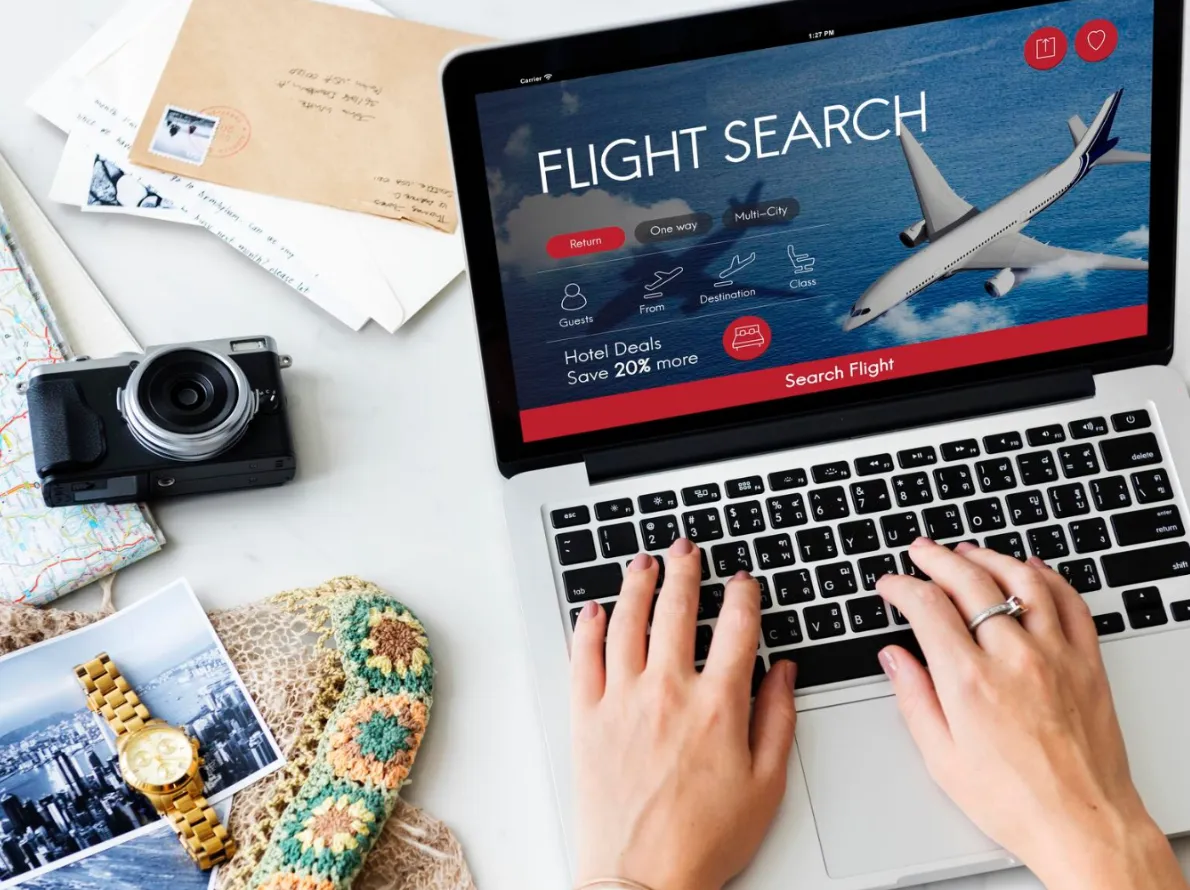
Travel is the most researched purchase category online. Visibility at every stage wins the booking.
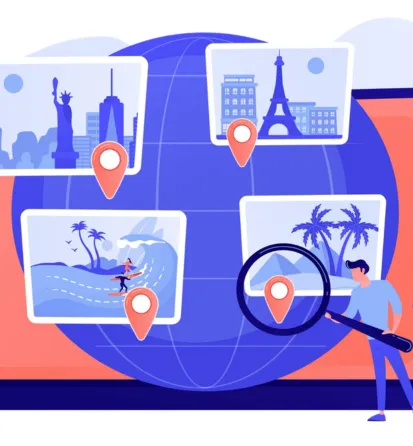
Travel buyers do not search once. They search for destinations, then for itineraries, then for packages, then for the best operator. Oddtusk builds travel SEO that covers the full research journey, with destination pages that capture early-stage interest, tour pages that convert mid-funnel intent, and local SEO that puts your agency in front of buyers ready to book in your city.
Destination Page Authority
Each destination you operate in deserves a content-rich, SEO-optimised page that covers attractions, itineraries, best time to visit, and package options. We build destination pages that rank for high-volume travel queries and serve as entry points that move organic visitors down the funnel toward a booking inquiry.
Tour Package Page Optimisation
Tour package pages are transactional assets. We optimise each one for the specific queries travellers use when they are ready to compare and book: duration, price range, inclusions, and departure city combinations. Pages are structured to convert with clear itinerary details, trust signals, and a direct enquiry or booking path.
Topical Authority for Travel Niches
Honeymoon travel, adventure tourism, pilgrimage tours, family packages, and corporate travel are distinct niches with different buyer intent. We build topical content clusters for every niche you serve, establishing authority that makes your site the go-to resource for those specific travel categories and compounding organic visibility over time.
Local SEO for Travel Agents
Many travellers search for a travel agent near them when they want personalised service. We optimise your Google Business Profile, build citations across travel directories, and create location pages that rank for city-level searches like travel agent in Bhubaneswar or tour operator near me, driving local walk-in and call enquiries.
Travel Schema and Structured Data
TouristAttraction, TouristDestination, TravelAgency, TourPackage, FAQPage, and LocalBusiness schema are implemented across applicable pages. Structured data improves rich result eligibility, enhances how your listings appear in SERPs, and provides Google with clear entity signals about your destinations and packages that support ranking stability.
Content That Covers the Full Buyer Journey
From destination inspiration blogs to detailed itinerary guides and comparison pages, we map content to every stage of the travel planning process. Informational content builds organic traffic and brand awareness. Transactional content converts that traffic into enquiries. Both are planned together to create a funnel that compounds over time.
Travel SEO Outcomes Across Tour Operators and Travel Agencies We Have Ranked.

Travel websites shifting to a topical authority and destination page strategy consistently triple organic traffic within six months as search engines recognise depth and relevance across the destination and package content library.
Tour package pages optimised for transactional queries with clear itinerary details, trust signals, and direct enquiry paths consistently increase organic booking enquiries by 50 to 70 percent within the first two quarters.
Travel businesses with established organic visibility reduce dependency on paid OTA listings and Google Ads. Cost per acquired booking decreases significantly within 12 months as organic channels carry a larger share of total bookings.
From Travel SEO Audit to Compounding Bookings
SEO Audit & Opportunity Mapping
Destination & Niche Topical Mapping
Tour Package & Destination Page Optimisation
Travel Content Production
Local SEO & Schema Implementation
Tracking, Reporting & Iteration
Straight answers to the questions that matter.
Travel is one of the most searched categories online. Travellers research destinations, read itinerary guides, compare packages, and look for operator reviews before making a booking decision. Brands that rank throughout this research journey capture the booking. Brands that are only visible on OTA listings or paid ads lose margin to intermediaries and pay for every enquiry. Travel SEO builds the direct organic channel that reduces those costs over time.
Optimising existing destination and package pages for their target queries shows ranking movement within 30 to 60 days. New topical content takes 3 to 6 months to build authority and generate consistent traffic. Local SEO for travel agent offices shows GBP visibility improvements within 30 to 60 days. The full programme compounds over 12 months as topical authority builds across all destination and niche clusters.
Yes. A single packages page listing all destinations and tours in a grid does not rank for destination or package-specific queries. Travellers searching for Andaman honeymoon package, Rajasthan 7-day itinerary, or Kerala backwaters tour from Bhubaneswar are looking for dedicated, detailed pages. We build individual pages for every significant destination and package type with the depth and intent alignment required to rank and convert.
We work with both. Small agencies and niche operators often benefit more from travel SEO than large brands because organic visibility reduces their dependency on OTAs and paid channels where they cannot compete on volume spend. We scale the programme to the size of your destination portfolio and business goals, prioritising the destinations and packages where organic visibility will generate the fastest return.
We produce all content based on structured content briefs covering search intent, destination entities, NLP terms, and conversion goals. If your team has destination specialists or guides who can contribute local knowledge or review drafts, we incorporate that into the process as it strengthens content quality and E-E-A-T signals. You review and approve all content before it is published on your site.
Not head-to-head for generic broad queries. But for niche destinations, specific itineraries, regional packages, and departure city combinations, independent operators can rank above OTAs consistently. We focus on the specific long-tail queries where your expertise gives you a genuine advantage over generic booking platforms and where ranking generates direct bookings at full margin.
Yes. Travel search volume is highly seasonal. We plan content production and optimisation cycles ahead of peak booking seasons for each destination. Package pages are refreshed with current pricing signals and availability cues before seasonal demand peaks. Seasonal travel guides and best-time-to-visit content are published 3 to 6 months before peak season to allow time for ranking accumulation before demand spikes. This is a core part of our predictive SEO approach for travel.
For travel websites, we implement TouristAttraction, TouristDestination, TravelAgency, Product schema for tour packages, FAQPage for destination guides, LocalBusiness for agency offices, and BreadcrumbList for site structure. Each schema type is selected based on the specific page content and validated in Google's Rich Results Test before going live to confirm structural accuracy and eligibility.
Yes. Travel agent GBP profiles are optimised with the correct travel agency categories, service listings, consultation hours, and verified contact details. Citations are built and corrected across Justdial, Sulekha, and MakeMyTrip partner directories. For agencies with multiple offices, each location receives its own GBP optimisation and dedicated location page to build local visibility independently across each city.
Monthly reports cover organic impressions and clicks from GSC, destination and package page ranking progress by query, content performance across topic clusters, GBP engagement metrics for agency offices, and booking enquiry volume from organic channels in GA4. All metrics connect to actual booking enquiries and revenue outcomes so you always see what organic search is directly contributing to your business each month.