Sending more emails is not a strategy. Sending the right email to the right segment at the right time is. Oddtusk designs email campaign strategies mapped to your product calendar, customer lifecycle, and revenue targets. Every campaign has a purpose, a defined audience, and a measurable outcome before a single email is written. Every programme connects to our retention marketing and GA4 attribution services.

- Campaign Goal Setting
- Audience Segmentation Strategy
- Send Calendar Planning
- Campaign Type Architecture
- Creative and Copy Direction
- A/B Testing Framework
- Revenue Attribution Setup
Bad campaigns waste budget. A wrong strategy wastes both budget and time.
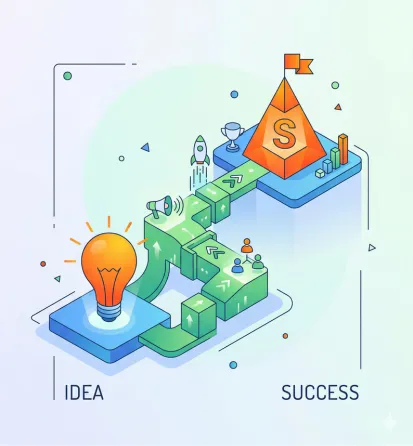
Most brands approach email by asking what to send this week. Oddtusk works backwards from revenue targets. We define what the email channel needs to contribute, then build a campaign architecture: segment structure, send cadence, campaign types, and creative direction, that gets it there without burning your list or hurting deliverability. All outcomes are tracked in GA4 and feed into our retention marketing and marketing automation stack.
Revenue-backwards planning
We start with your monthly revenue target and work backwards. How much should email contribute? Which campaigns drive that number? Which segments need activation? Strategy is built from the outcome in, not the inbox out, and tied to your full performance marketing targets.
Segment-first architecture
Campaigns built on a single undivided list consistently underperform. We define the segments your strategy needs: new subscribers, active buyers, lapsed customers, and high-AOV purchasers, using Indian consumer behaviour data and manage them through our retention CRM.
Campaign type mix
A healthy email strategy balances promotional sends, educational content, product storytelling, and re-engagement campaigns. We design the right mix based on your audience lifecycle stage, grounded in buyer behaviour analysis and aligned with your content strategy.
Send cadence without fatigue
Sending too much burns your list. Sending too little loses the relationship. We determine the right cadence for each segment based on GA4 engagement data, purchase frequency, and list health metrics, keeping your audience responsive without pushing unsubscribes.
Integrated with lifecycle flows
Campaign strategy does not work in isolation. We build it alongside your automated lifecycle flows and marketing automation so broadcast campaigns and triggered emails complement each other: no audience overlap, no duplicate messaging, one coordinated system.
Built-in testing framework
Every campaign strategy includes a testing plan. Subject lines, send times, CTA copy, content formats, and offer types are all tested systematically. Learnings are documented in GA4 and fed back into the next campaign cycle, compounding CRO performance over time.
What a defined email campaign strategy delivers for ecommerce brands over 90 days.

Brands moving from unplanned sends to a structured campaign strategy see an average 40 percent increase in email-attributed revenue within the first 90 days, tracked through our GA4 attribution setup.
Segmented campaigns with a defined goal consistently generate 3x the revenue per send compared to generic full-list blasts. Segment structure is built on Indian consumer behaviour data and managed through the retention CRM.
Proper send cadence and segment-matched content reduces unsubscribe rates significantly, keeping your list healthy and monetisable for longer. List health is monitored monthly via GA4 and GTM event tracking.
From revenue target to campaign execution
Channel Audit and Baseline Review
Revenue Goal Setting
Segment Architecture
Campaign Calendar and Type Mix
Testing Plan and Creative Direction
Attribution Setup and Reporting
Straight answers to the questions that matter.
A complete campaign strategy includes a channel revenue goal, segment definitions, a monthly send calendar, campaign type breakdown, creative and copy direction, a structured A/B testing plan, and GA4 attribution setup. It is the blueprint that ensures every campaign has a clear purpose and a measurable outcome tied to revenue.
We do both. Strategy-only engagements are available for brands with in-house execution teams. Full-service engagements include strategy, copywriting, design, build, scheduling, and reporting via GA4. Most clients opt for full-service so the strategy and execution remain aligned throughout the retention marketing campaign cycle.
Send frequency is determined by your list size, current engagement rate, product activity, and deliverability health from GA4 data. A healthy strategy for most ecommerce brands lands between 4 and 10 sends per month across segments, not a single mass send volume.
Lifecycle automation handles behaviour-triggered flows like welcome sequences, cart recovery, and post-purchase emails that run automatically based on customer actions. Campaign strategy governs your planned broadcast sends, the timing, audience, messaging mix, and goals behind each one. Both are needed and work best built together as part of our marketing automation stack.
Primary measure is email channel revenue as a percentage of total store revenue, tracked in GA4. Secondary measures include revenue per campaign, revenue per recipient, open rate trend, click rate, and unsubscribe rate movement. We review all of these monthly as part of the performance marketing reporting cycle.
Yes. A smaller list requires a more conservative send cadence and tighter segmentation to protect engagement rates. The strategy principles remain the same, grounded in Indian consumer behaviour analysis. Brands with smaller lists benefit most from a structured approach because every send to an unengaged subscriber has a proportionally larger impact on deliverability.
A full campaign strategy covering goals, segment architecture, calendar, campaign type mix, and testing plan is typically delivered within 5 to 7 business days of the onboarding session. The first campaign based on the strategy can go live in the same week the strategy is approved, with GA4 attribution configured from day one.
Yes. The core structure stays consistent but the calendar, campaign mix, and segment priorities are reviewed and adjusted every month based on GA4 performance data, upcoming product activity, and seasonal context. A strategy that does not evolve based on data is just a plan. We build one that keeps getting smarter through a documented CRO optimisation log.
Yes. We onboard by auditing your current campaign history and identifying what is already working before changing anything. The strategy is rebuilt around your existing assets, list health, and revenue baseline from GA4. Most brands see improvement within the first two campaign cycles under a structured retention marketing strategy.